What I Brought Home from New Zealand 🥝
หากย้อนกลับไปถามตัวเองก่อนขึ้นเครื่องบินวันนั้นว่า ฉันกำลังจะไปเอาอะไรจากนิวซีแลนด์ คำตอบของฉันคงเป็นเรื่องง่าย ๆ คือ ภาษาอังกฤษและประสบการณ์การใช้ชีวิตในต่างประเทศ ฉันก็เหมือนเด็กคนหนึ่งที่เติบโตมาพร้อมกับความฝันอยากไปใช้ชีวิตในต่างประเทศสักครั้งแต่พอถึงวันที่ต้องเลือกจริง ๆ ฉันก็เริ่มเข้าใจว่า การเลือกประเทศสักประเทศไม่ใช่แค่เรื่องของความอยากไป แต่มันคือการเลือก “ที่เหมาะกับตัวเรา”
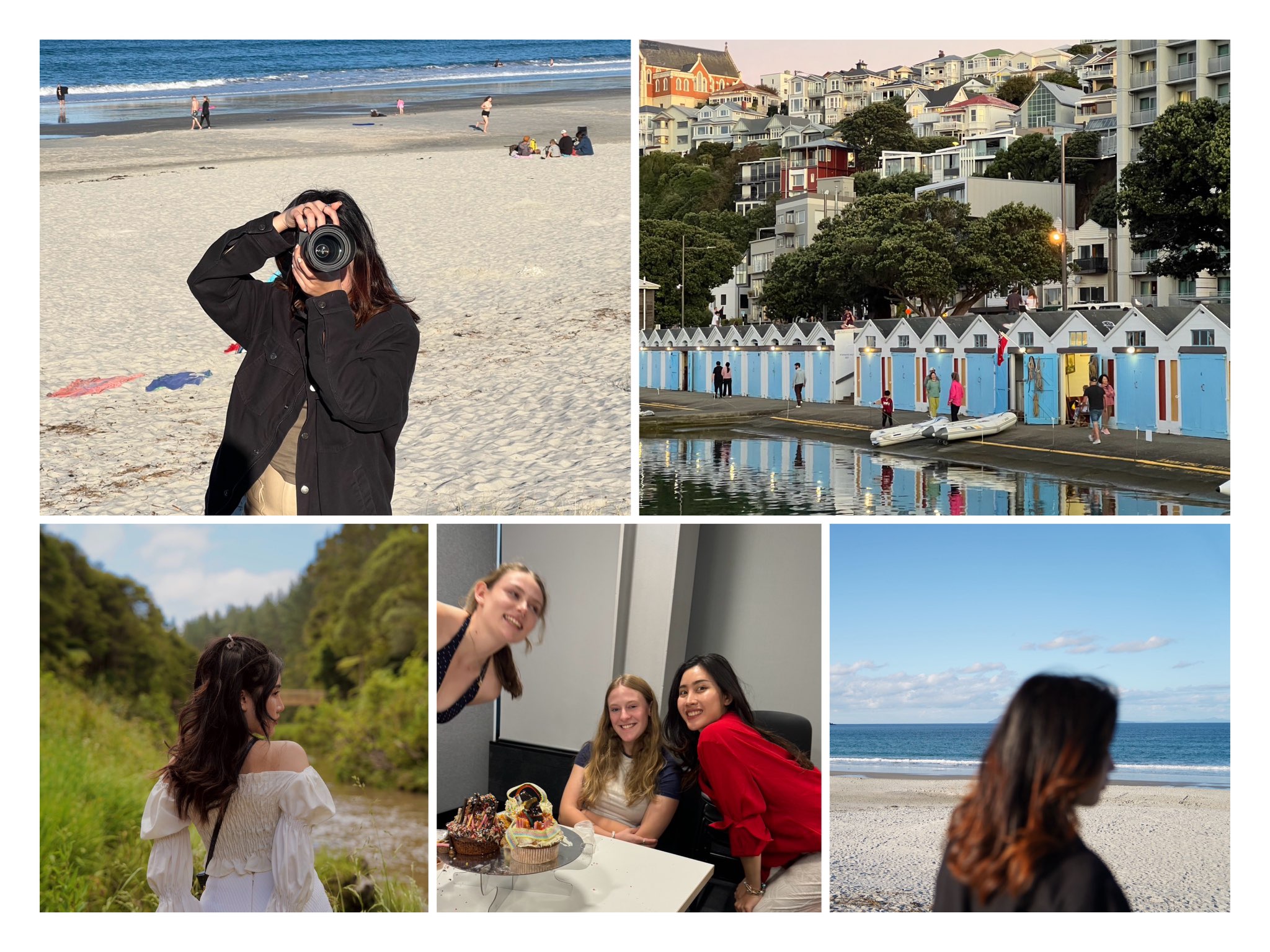
ฉันเติบโตมาใช้ชีวิตแบบที่ไม่ต้องคิดเผื่อใครมากนักในฐานะชนชั่งกลางในไทย ชีวิตของฉันสะดวกสบายพอสมควร หิวก็มีอาหาร เสื้อผ้ายับก็มีคนช่วยดูแล มีปัญห ก็มักมีผู้ใหญ่คอยช่วยจัดการ แม้แต่เรื่องเล็ก ๆ ในชีวิตประจำวันก็แทบไม่ต้องลงมือทำเองทั้งหมด ฉันไม่เคยรู้ตัวเลยว่าตัวเองพึ่งพาคนอื่นมากแค่ไหนจนกระทั่งได้มาอยู่ที่นิวซีแลนด์ ทุกอย่างกลับต่างออกไป การได้ใช้ชีวิตอยู่ที่นั่น ฉันเริ่มเรียนรู้การดูแลตัวเอง การแบ่งปันพื้นที่กับคนอื่น การคิดถึงผู้อื่นมากขึ้น และจัดการปัญหาที่ไม่มีใครอยู่ข้าง ๆ ให้พึ่งพาเรื่องพวกนี้ไม่มีอยู่ในตำราเรียน มันคือบทเรียนที่เปลี่ยนฉันมากที่สุด
ฉันมองหาความรู้นอกเหนือจากในห้องเรียน เช่นวิธีคิดของผู้คนและสังคมรอบตัว ฉันจำได้ว่าครั้งหนึ่งในชั้นเรียน คุณครูพูดถึงเรื่องสิทธิ
ของผู้หญิงวันนั้นฉันเพิ่งรู้ว่านิวซีแลนด์เป็นประเทศแรกของโลกที่ให้สิทธิผู้หญิงเลือกตั้ง สิ่งที่ทำให้ฉันประทับใจไม่ใช่ข้อมูลในหนังสือแต่เป็นการได้เห็นว่าสังคมที่นี่พยายามทำให้คำว่า “ความเท่าเทียม” เป็นส่วนหนึ่งของชีวิตประจำวันจริง ๆ ผู้คนเคารพความแตกต่าง
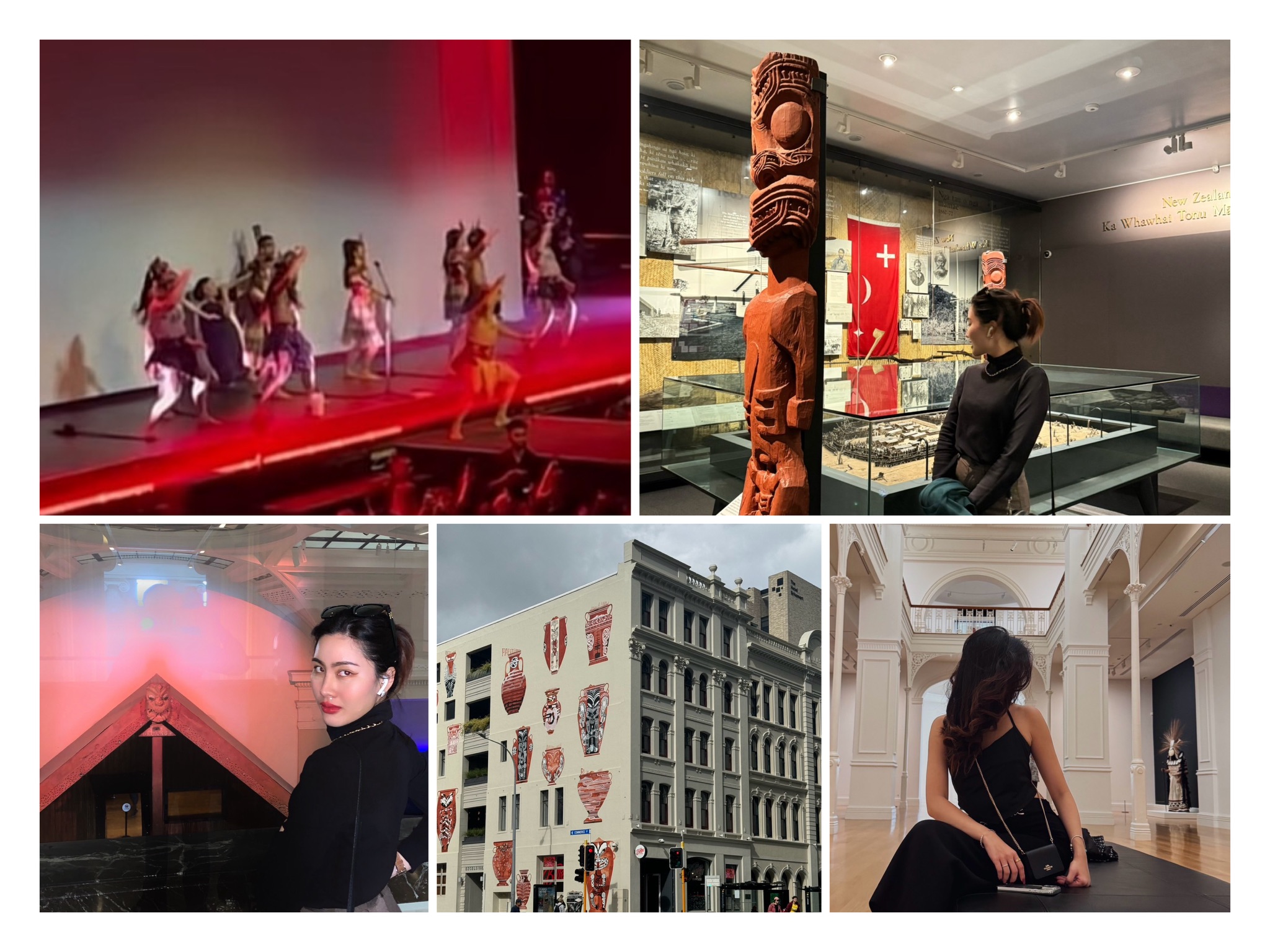
หลายสิ่งที่ดูแตกต่างที่นิวซีแลนด์ กลับมีความคล้ายคลึงกับประเทศไทยอยู่ ครั้งแรกที่ฉันได้ชมการแสดงฮากาของชาวเมารี ฉันรู้สึกตื่นตาตื่นใจไปกับพลังของการเคลื่อนไหว สีหน้า และจังหวะที่เต็มไปด้วยความหมายมันก็ทำให้ฉันนึกถึงบ้าน ที่ไทยมีการแสดงพื้นบ้านของแต่ละภาคในนึกถึงวัฒนธรรมที่ถูกส่งต่อจากรุ่นสู่รุ่นและนึกถึงความภาคภูมิใจที่ผู้คนมีต่อรากเหง้าของตนเองแม้จะอยู่คนละซีกโลก แต่เราก็มีการแสดงประจำถิ่นในแต่ละภาคที่สะท้อนตัวตนและรากวัฒนธรรมของเราเช่นกัน เช่นเดียวกับที่คนไทยภาคภูมิใจในมวยไทย ชาวนิวซีแลนด์ก็ภาคภูมิใจในรักบี้และทีม All Blacksแม้จะเป็นกีฬาคนละประเภทแต่สิ่งที่เหมือนกันคือ “ความภาคภูมิใจของคนในชาติ”
อีกสิ่งหนึ่งที่เปลี่ยนวิธีคิดของฉัน คือความสัมพันธ์ระหว่างผู้คนกับธรรมชาติก่อนหน้านั้น ฉันมองธรรมชาติเป็นเพียงสถานที่สวยงามแต่ที่นิวซีแลนด์นั้น ครั้งหนึ่งระหว่างการเดินทางไปยังอุทยานแห่งชาติแห่งหนึ่ง ไกด์ชาวเมารีอธิบายคำว่า Kaitiakitanga ให้ฉันฟังว่า สำหรับพวกเขา มนุษย์ไม่ได้เป็นเจ้าของธรรมชาติ แต่เป็นเพียงผู้ดูแลชั่วคราว เป็นประโยคที่เรียบง่ายแต่ทำให้ฉันมองภูเขา ทะเลสาบ และผืนป่าต่างๆรอบๆตัวฉันที่นิวซีแลนด์แตกต่างไปจากเดิม เห็นคุณค่าของการดูแลสิ่งที่มีอยู่ให้คนรุ่นต่อไปและบางที่นี่อาจเป็นเหตุผลที่ทำให้ประเทศแห่งนี้ยังคงรักษาทะเลสาบ ภูเขา และทุ่งหญ้าอันงดงามเอาไว้ได้ ยิ่งเรียนรู้เกี่ยวกับวัฒนธรรมเมารีมากขึ้น ฉันก็ยิ่งประทับใจไม่ว่าจะเป็นตอนที่ฉันมีโอกาสเข้าไปใน Wharenui เป็นครั้งแรก สิ่งที่สะดุดตาฉันไม่ใช่ความสวยงามของอาคารแต่เป็นการที่ทุกส่วนของบ้านถูกเชื่อมโยงเข้ากับเรื่องราวของบรรพบุรุษ ฉันรู้สึกคล้ายกับเวลาที่คนไทยพูดถึงบ้านเกิด วัด หรือประเพณีที่สืบทอดกันมาหลายชั่วอายุคนเป็น ประวัติศาสตร์ที่ยังมีชีวิต ทั้งหมดนี้ทำให้ฉันตระหนักว่าไม่ว่าประเทศใดในโลก ผู้คนต่างต้องการรักษารากเหง้าของตนเองเอาไว้เช่นกัน

ก่อนกลับประเทศไทย ฉันใช้เวลาหาของฝากให้ครอบครัวและเพื่อน ๆระหว่างนั้นฉันจึงได้รู้ว่าประเทศมีแกะมากกว่าคนหลายเท่า และสามารถเปลี่ยนทรัพยากรธรรมชาติให้กลายเป็นผลิตภัณฑ์ ไม่ว่าจะเป็นผลิตภัณฑ์จากขนแกะที่เบา อุ่น และมีคุณภาพระดับโลก หรือ ครีม ที่คนนิยมซื้อกลับไปเป็นของฝาก สัตว์ประจำชาติอย่าง Kiwi เริ่มต้นจากการที่ทหารนิวซีแลนด์ใช้สัญลักษณ์นกกีวี่บนเครื่องแบบ จนกลายเป็นคำเรียกคนทั้งประเทศในที่สุด เรื่องราวที่ฉันได้เรียนรู้เหล่านี้ล้วนทำให้ฉันรู้ว่าประเทศนิวซีแลนด์มีชีวิตชีวามาก
แม้นิวซีแลนด์และประเทศไทยจะอยู่ห่างกันหลายพันกิโลเมตร แต่ยิ่งได้เรียนรู้ ฉันกลับยิ่งเห็นความคล้ายคลึงกันของผู้คนทั้งสองประเทศความภาคภูมิใจในวัฒนธรรม ความผูกพันกับบ้านเกิด และความปรารถนาที่จะส่งต่อสิ่งดีงามให้คนรุ่นต่อไปฉันเดินทางไปนิวซีแลนด์ทในฐานะเด็กคนหนึ่งที่อยากออกไปเห็นโลกแต่ฉันกลับมาพร้อมกับความเข้าใจว่า การเปิดโลกที่แท้จริง ไม่ได้เกิดจากการเดินทางไปไกลที่สุดหากเกิดจากการเปิดใจเรียนรู้ผู้คน สถานที่ และมุมมองที่แตกต่างจากเราและระหว่างการเดินทางจากประเทศไทยสู่นิวซีแลนด์นั้นฉันไม่ได้ค้นพบเพียงประเทศอีกประเทศหนึ่งแต่ฉันได้ค้นพบตัวตนของตัวเองในอีกเวอร์ชันหนึ่งด้วย
ไหนๆก็ข้ามน้ำข้ามทะเลไปถึงนั้นแล้ว ขอลองแชร์เรื่องราวเป็นภาษาอังกฤษหน่อยนะคะ
If you’d asked me before I boarded that flight what I hoped to get out of New Zealand, my answer would’ve been pretty straightforward like …..better English, a good education, and the experience of living overseas.
Like a lot of young people, I grew up dreaming about spending time in another country. But when it came time to actually choose where to go, I realised it wasn’t just about picking somewhere I wanted to visit. It was about finding a place that suited me and somewhere that could teach me something meaningful. Growing up in Thailand, I had a pretty comfortable life. If I was hungry, there was always food. If something needed sorting out, there was usually an adult around to help. Looking back now, I didn’t realise how much I relied on other people until I moved to New Zealand.
Once I arrived, everything felt different.
Living there taught me things no classroom ever could. It taught me how to look after myself, how to share space with others, how to think beyond my own needs, and how to solve problems when there was no one standing right beside me. Those lessons never appeared in any textbook, but they ended up being some of the most valuable things I learn.The longer I stayed, the more curious I became about life outside the classroom. I wanted to understand how people thought and what shaped New Zealand society.
I still remember one lesson where my teacher talked about women's rights. That was when I learned New Zealand was the first country in the world to give women the right to vote. What impressed me wasn’t just the history itself. It was seeing how equality wasn’t treated as a slogan or a chapter in a book. It felt like something people genuinely tried to live by every day. People respected differences, and that left a lasting impression on me.The more I learned about New Zealand, the more I noticed that despite being so far from Thailand, there were quite a few similarities.The first time I watched a Māori haka, I was blown away. The expressions, the movement, the energy everything felt powerful and full of meaning. Strangely enough, it reminded me of home. Thailand has traditional performances from different regions that are passed down through generations, just as Māori traditions are. Even though our cultures are different, I recognised that same sense of pride in heritage and identity.It’s a bit like sport, too.Just as many Thais take pride in Muay Thai, New Zealanders are incredibly proud of rugby and the All Blacks. They’re completely different sports, but the feeling behind them is the same a shared sense of national pride.
During a visit to a national park, a Māori guide explained the idea of Kaitiakitanga. He told us that humans are not the owners of nature, we are simply its caretakers for a while.It sounded simple enough, but it completely changed the way I looked at the mountains, lakes, and forests around me. Instead of seeing them as places to visit, I started seeing them as things worth protecting for future generations. Maybe that way of thinking is one of the reasons New Zealand has managed to preserve so much of its natural beauty. It’s no surprise that so many people around the world dream of visiting at least once in their lives.As I learned more about Māori culture, my appreciation continued to grow. One moment that stands out was entering a Wharenui for the first time. What caught my attention wasn’t the building itself, but how every part of it connected back to ancestors and stories from the past. It reminded me of how people in Thailand talk about their hometowns, local temples, and traditions that have been passed down through generations. In both countries, history isn’t something that sits quietly in a museum. It’s still alive and part of everyday life.
Before returning to Thailand, I spent some time shopping for souvenirs for family and friends. Along the way, I learned plenty of quirky Kiwi facts too. For example, there are far more sheep than people in New Zealand, and the country has become famous for turning natural resources into high quality products from fine wool products to skincare that travellers often take home as gifts.
I also discovered how the nickname “Kiwi” became associated with New Zealanders. What started as a symbol used by New Zealand soldiers eventually became a nickname for the people of the country themselves. Little stories like these made New Zealand feel even more alive and interesting.
Even though Thailand and New Zealand are separated by thousands of kilometres, the more I learned about both countries, the more similarities I found. People in both places are proud of their culture, connected to where they come from, and hopeful about passing something meaningful on to future generations. I arrived in New Zealand as a young person eager to see the world. But I came home with something far more valuable.
I learned that broadening your horizons isn’t really about travelling the furthest distance. It’s about being open enough to learn from different people, different places, and different ways of seeing the world. And somewhere along the journey between Thailand and New Zealand, I didn’t just discover another country. I discovere another version of myself as well.













My New Zealand Story - What I Brought Home from New Zealand