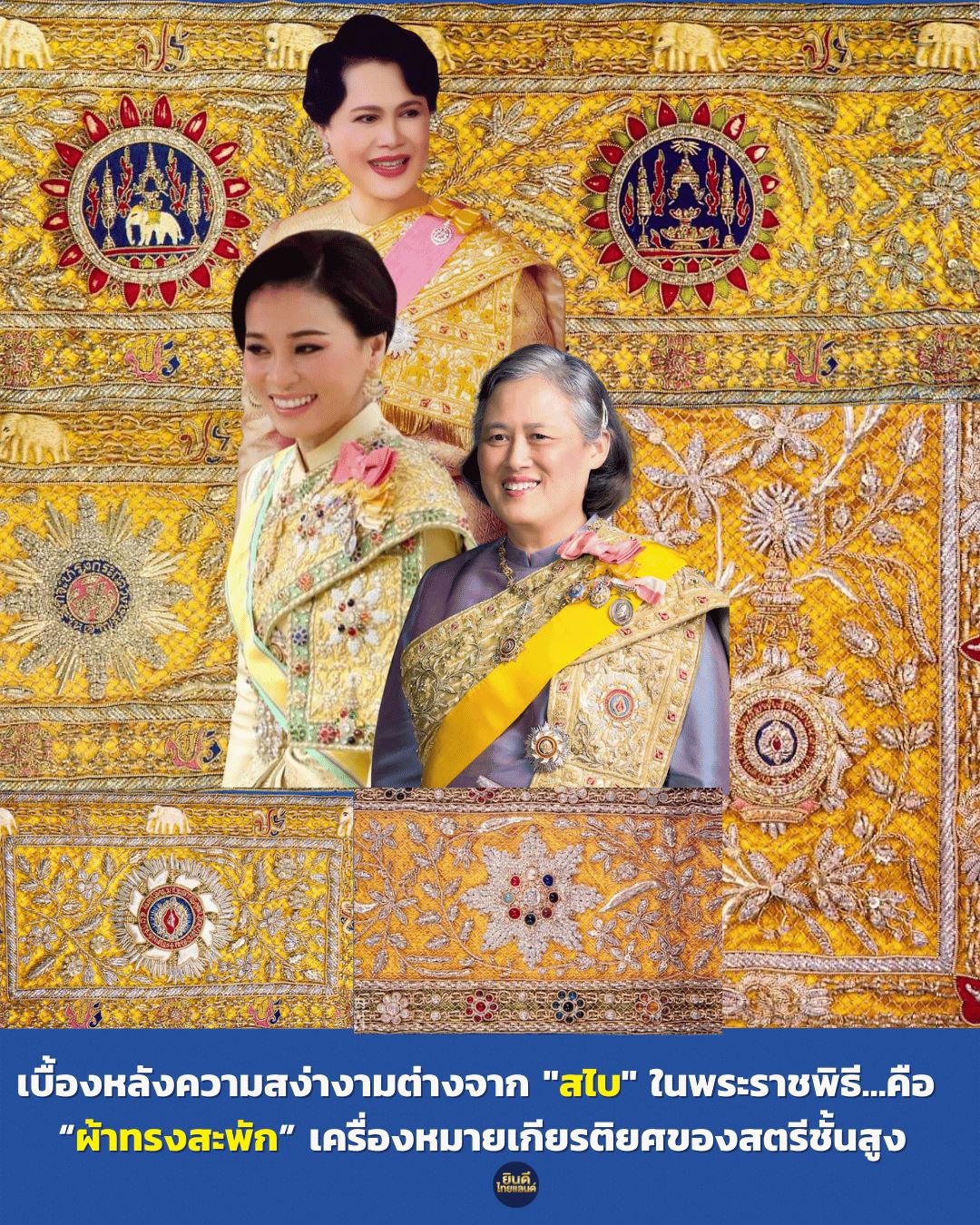
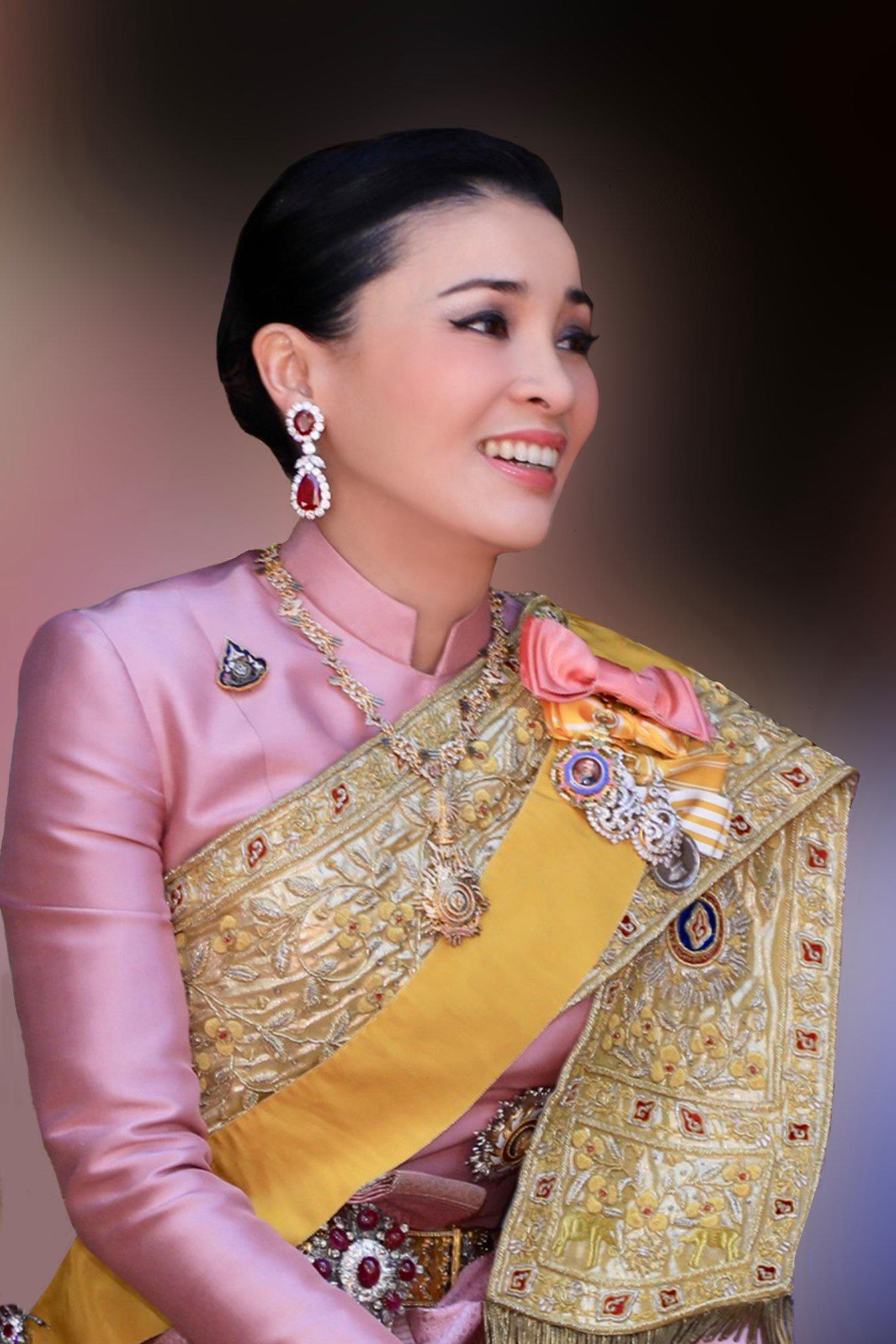
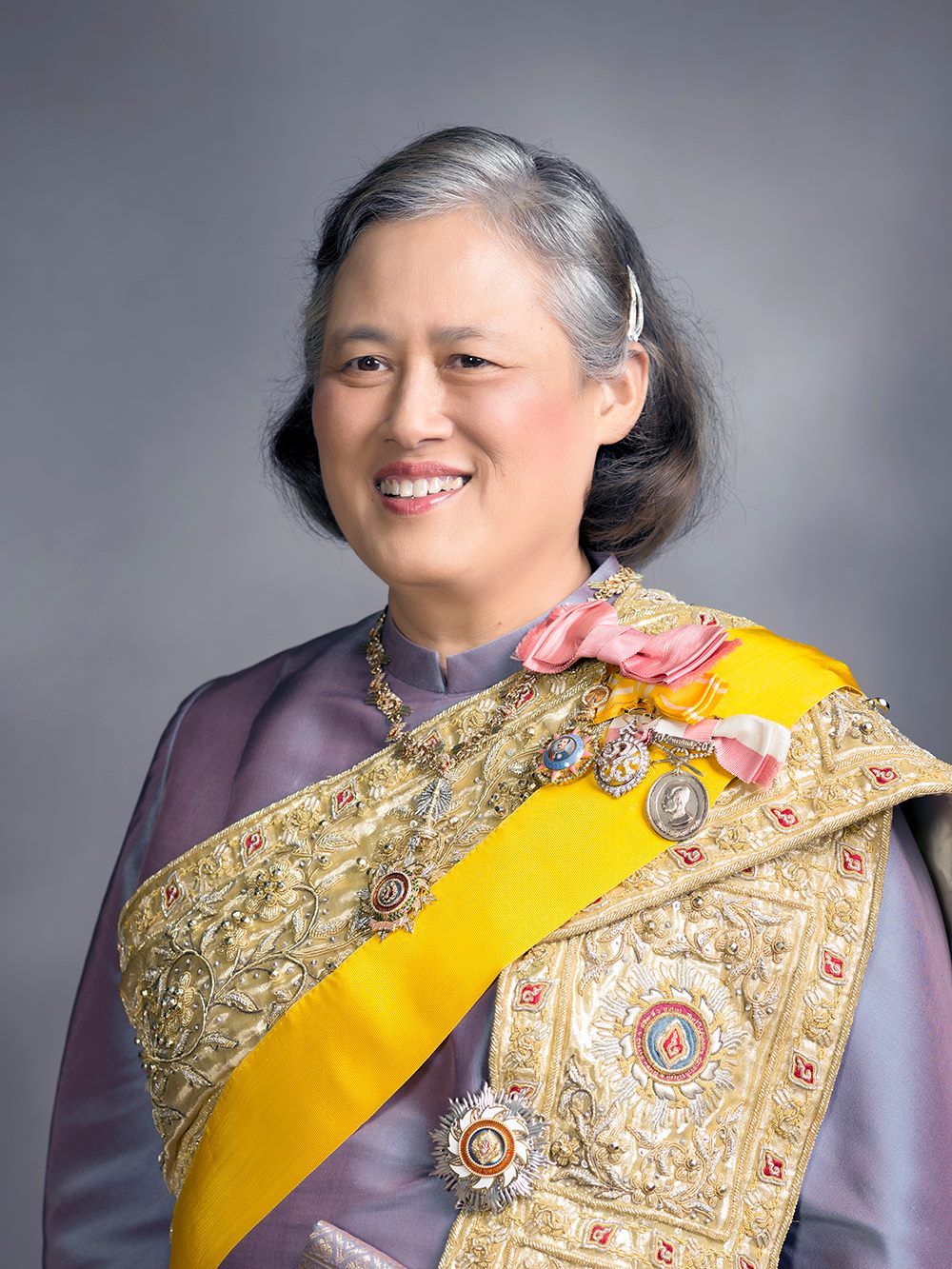
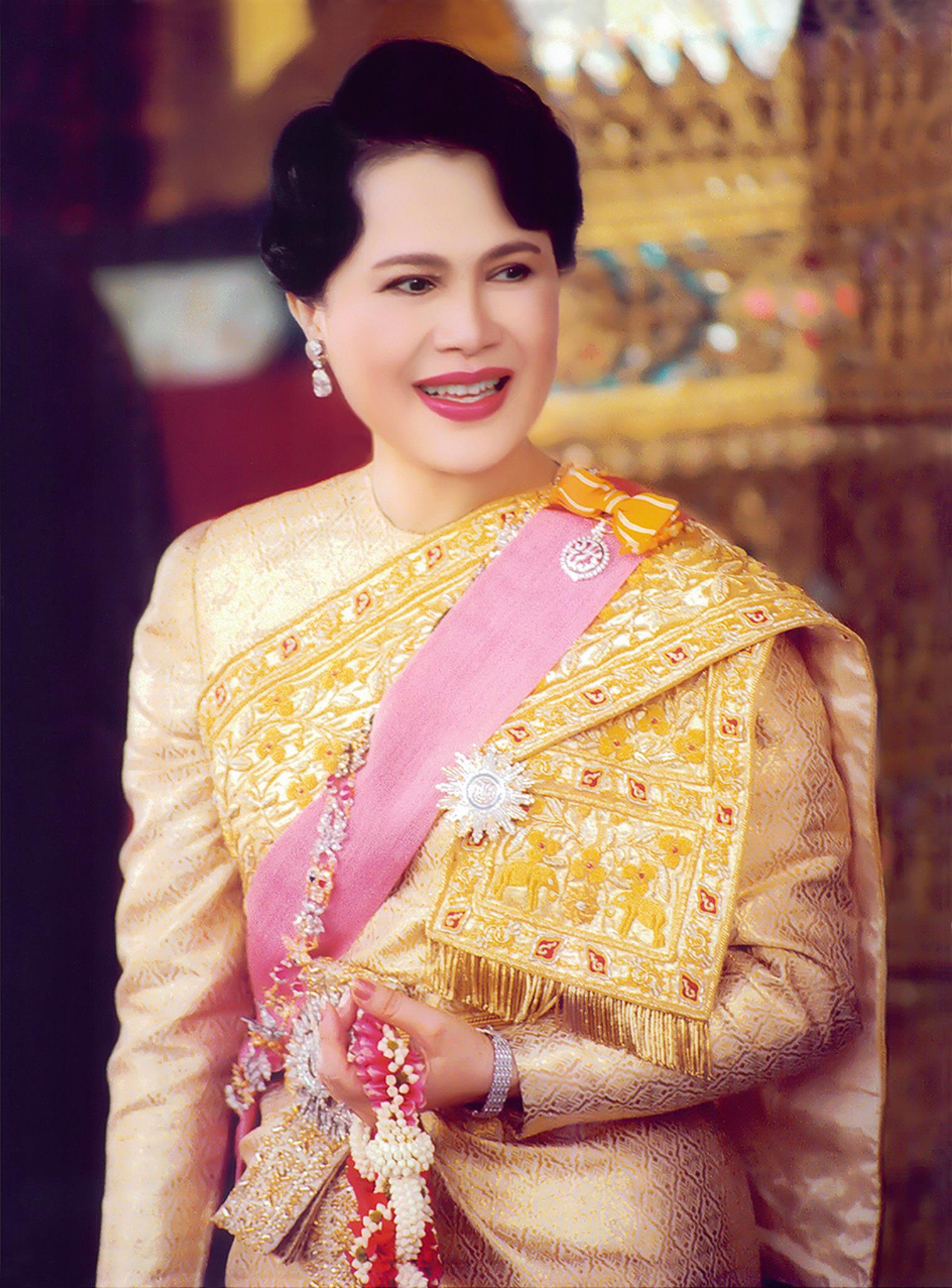
 📌 รู้หรือไม่…สไบที่พาดเฉียงของเจ้านายฝ่ายใน ไม่ใช่สไบธรรมดา
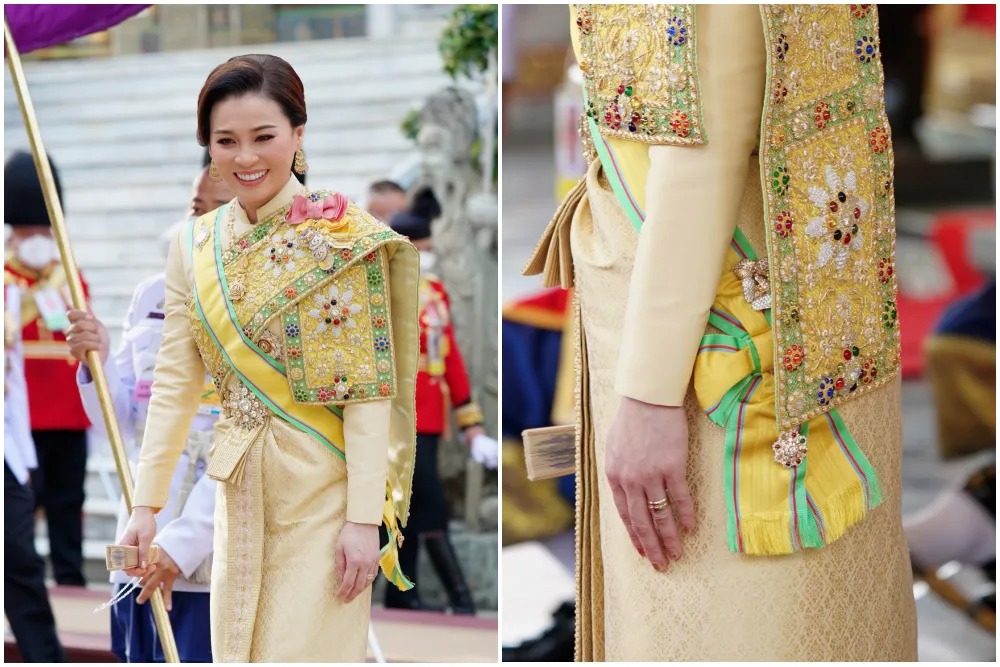
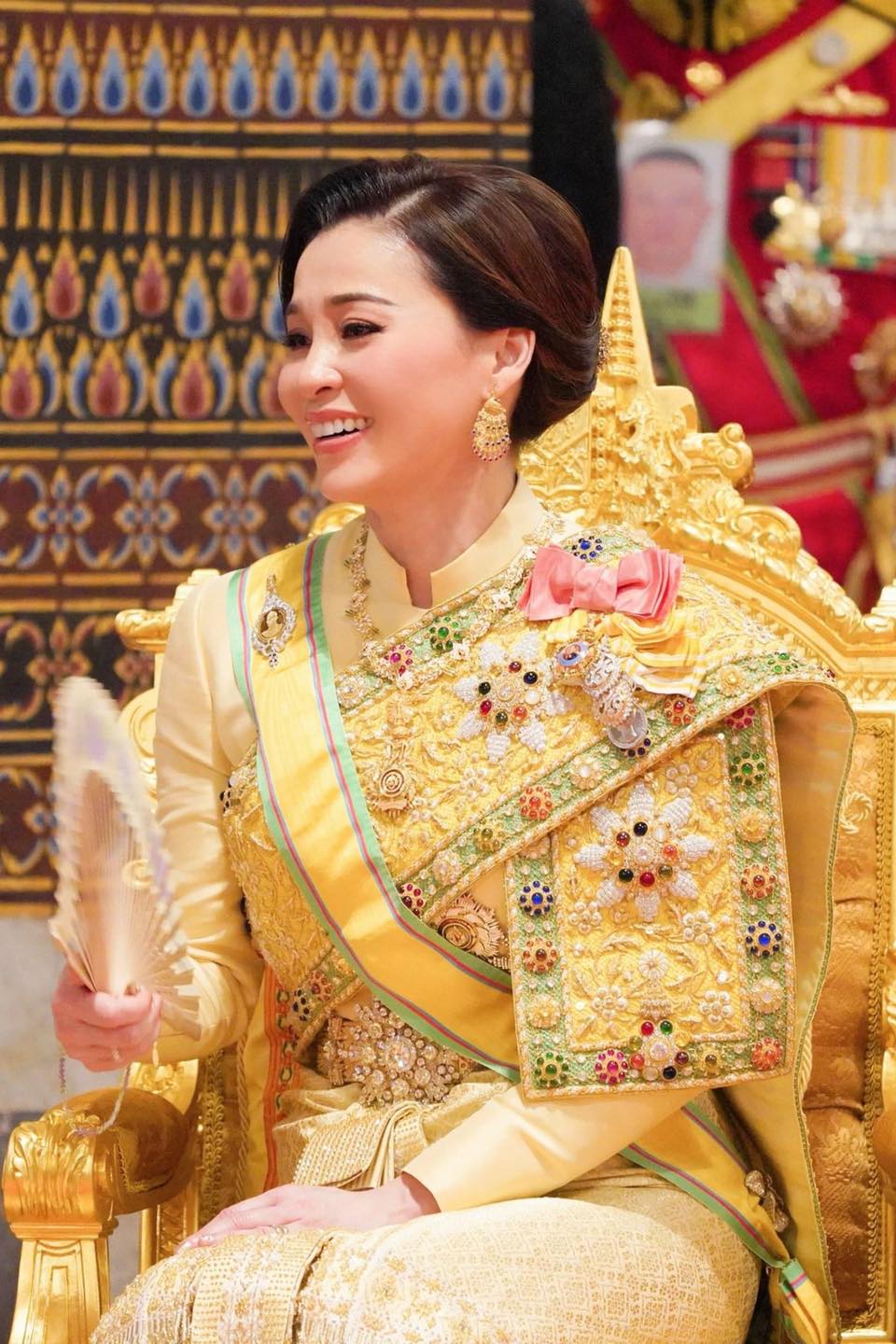
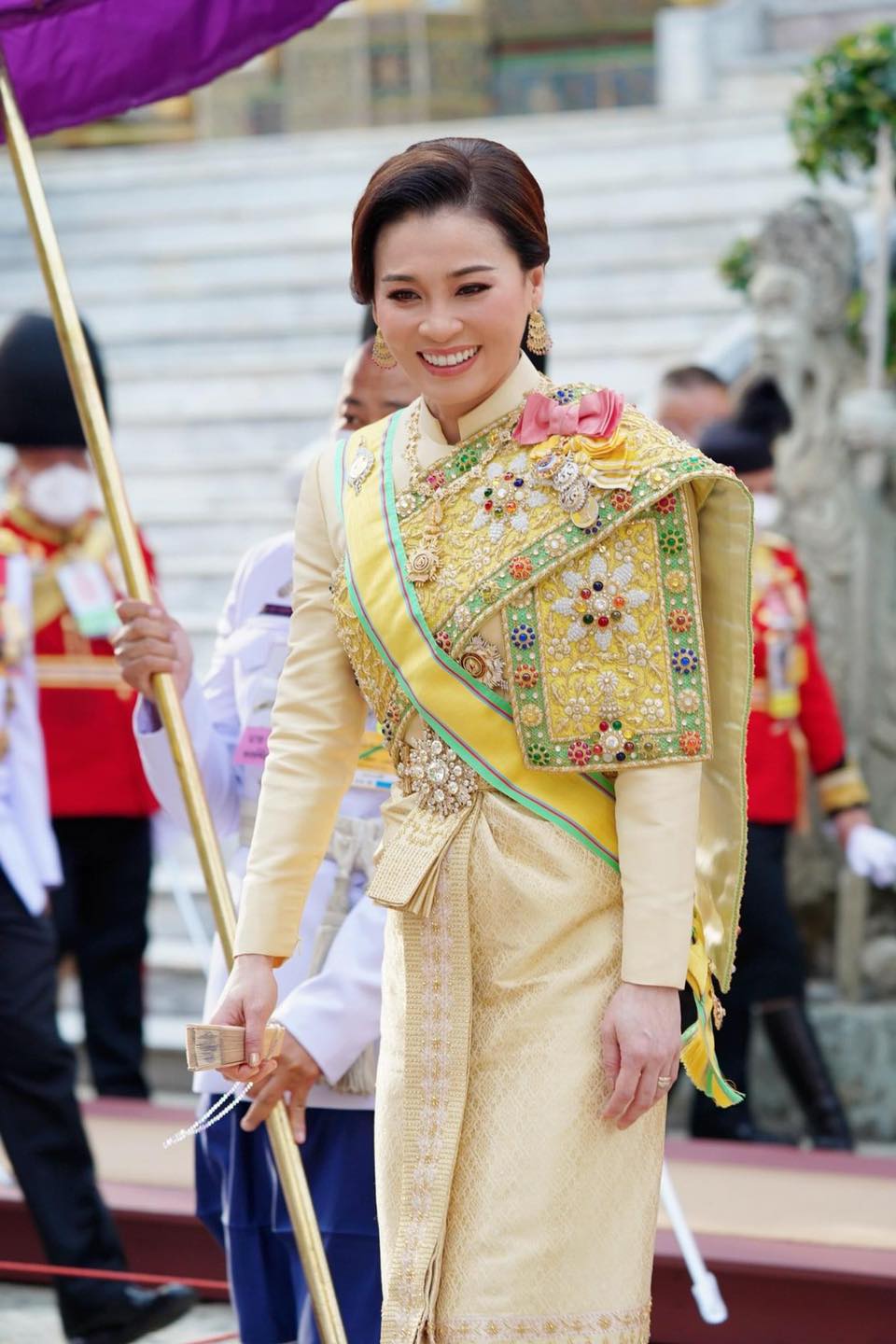
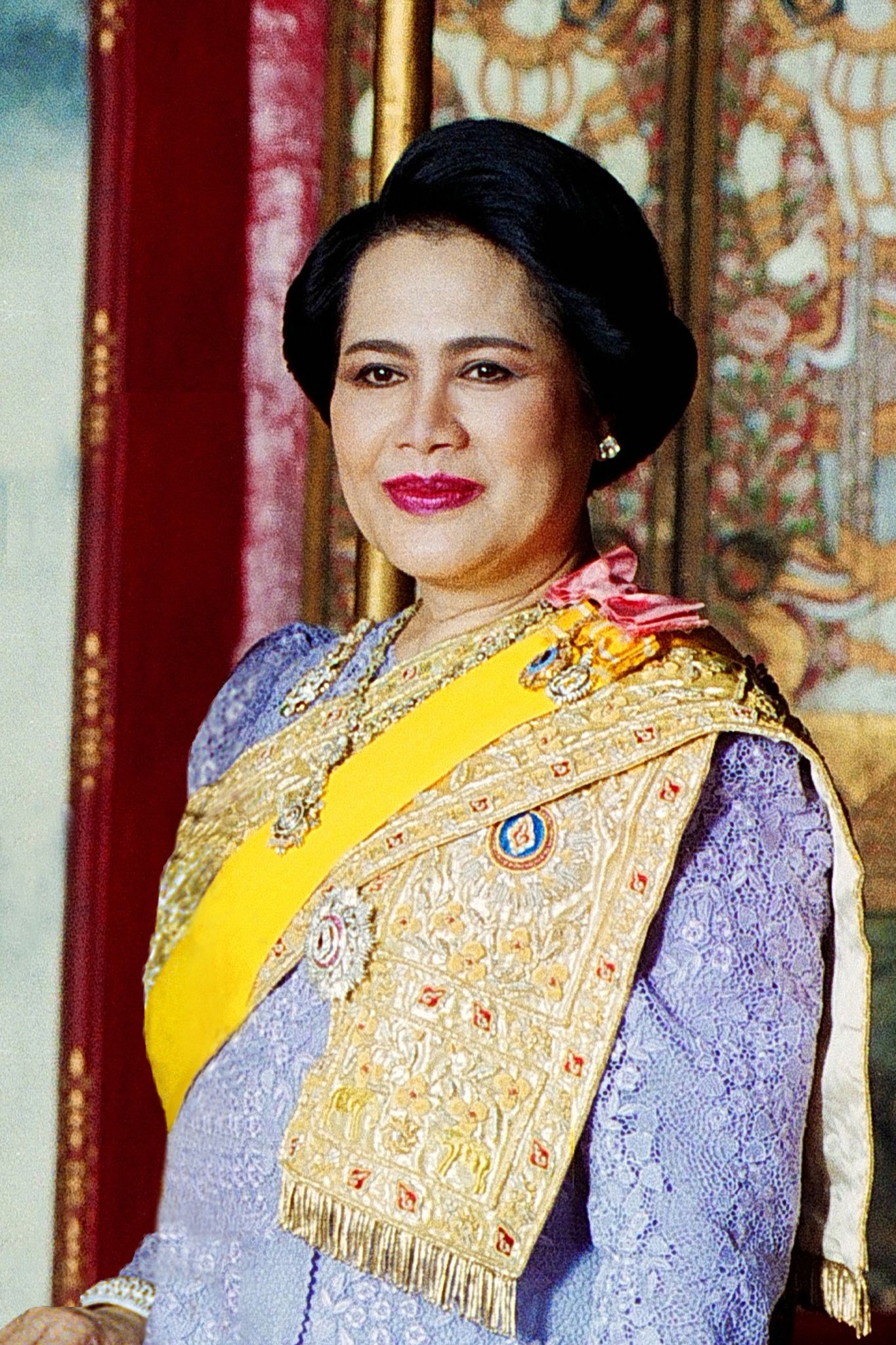
แต่นั่นคือ “ผ้าทรงสะพัก” เครื่องหมายแห่งเกียรติยศของราชสำนักสยาม
📌 รู้หรือไม่…สไบที่พาดเฉียงของเจ้านายฝ่ายใน ไม่ใช่สไบธรรมดา
แต่นั่นคือ “ผ้าทรงสะพัก” เครื่องหมายแห่งเกียรติยศของราชสำนักสยาม
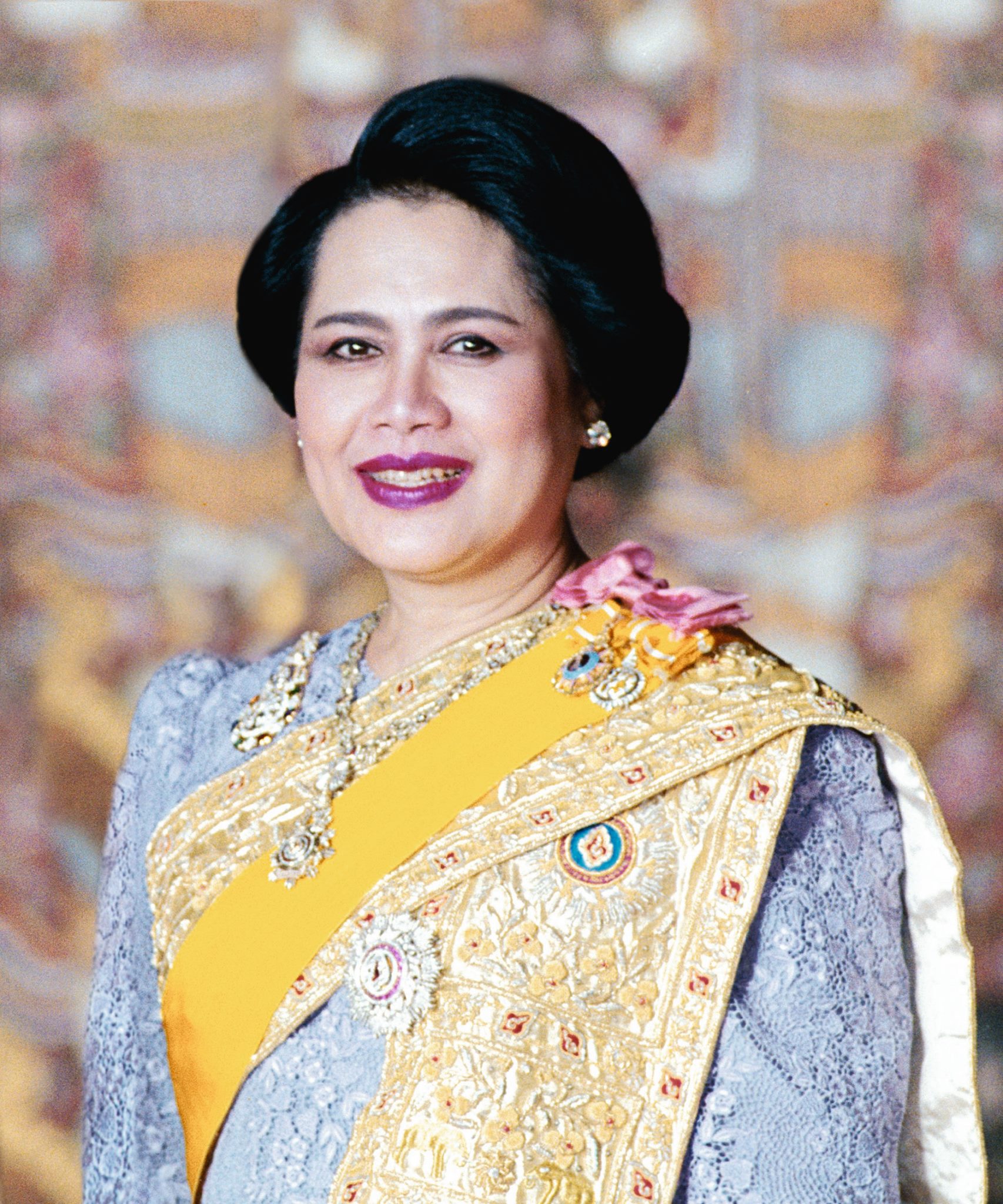
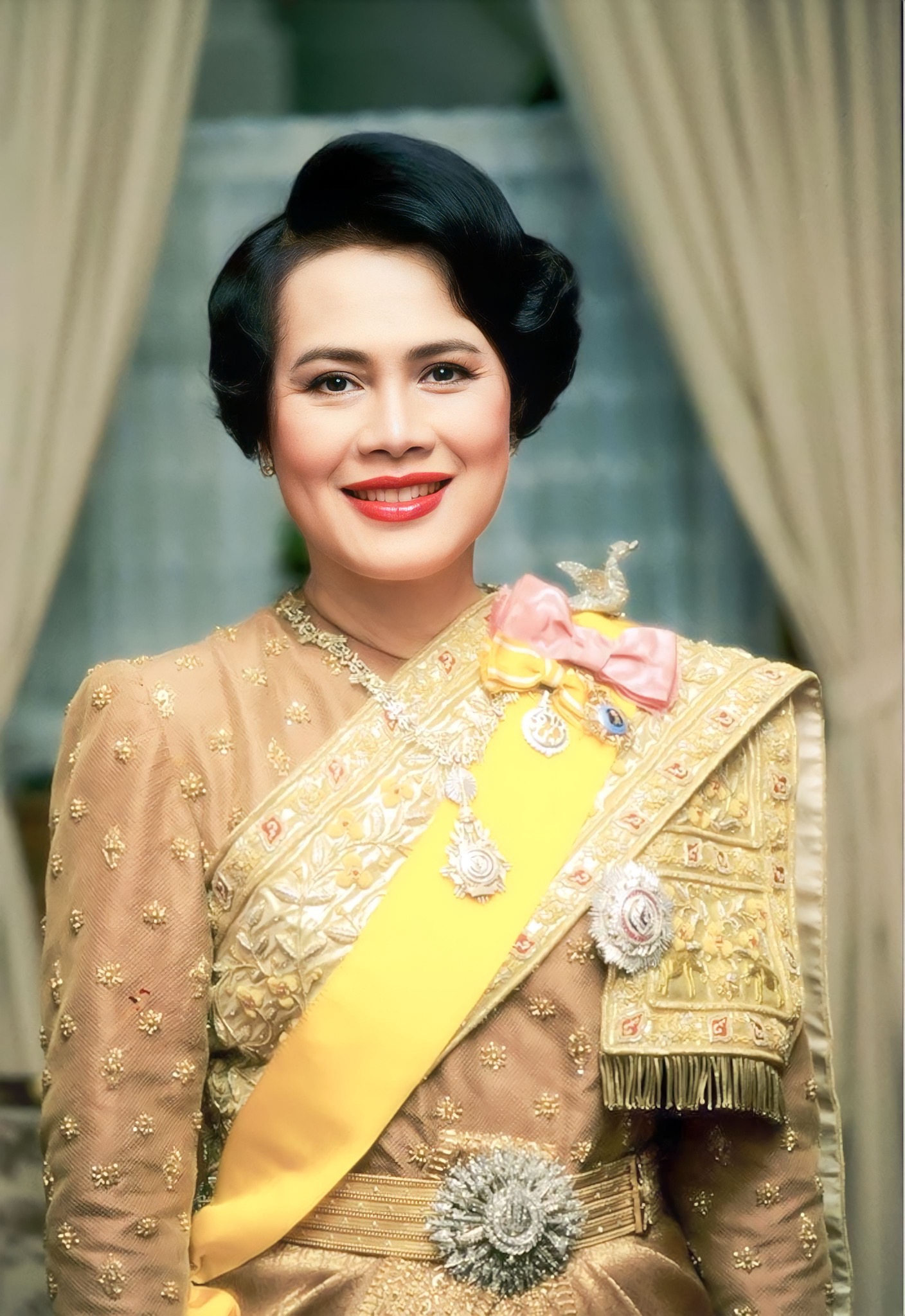
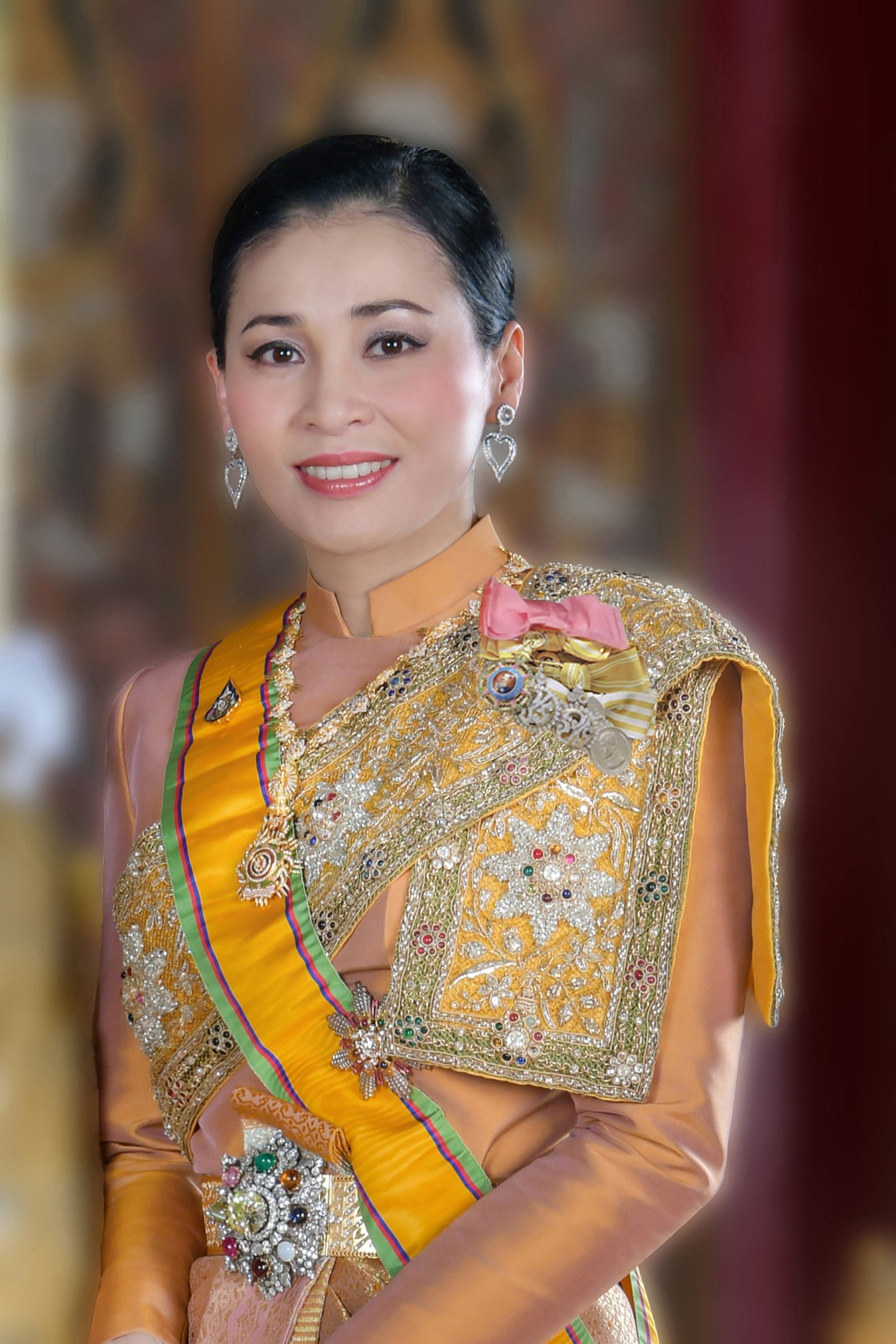
ในสมัยโบราณ เจ้านายฝ่ายในชั้นสูง เมื่อได้รับพระราชทาน เครื่องราชอิสริยาภรณ์ แต่ละตระกูล เวลาทรงเครื่องเต็มยศในพระราชพิธี จะต้อง ทรงผ้าสะพักเฉียงทับฉลองพระองค์ เพื่อประดับดาราเครื่องราชอิสริยาภรณ์
ผ้าผืนนี้จึงไม่ใช่เพียงเครื่องแต่งกาย
แต่คือ สัญลักษณ์แห่งเกียรติยศ ฐานันดร และราชประเพณีของสยาม
ในอดีต แต่ละเครื่องราชอิสริยาภรณ์จะมี
“ผ้าทรงสะพัก” ของตระกูลนั้นโดยเฉพาะ
แต่ปัจจุบันรูปแบบที่ยังคงปรากฏให้เห็นในราชสำนัก เหลือใช้อยู่หลัก ๆ เพียง
✨ ทรงสะพักจักรี
✨ ทรงสะพักนพรัตน์
ผ้าทรงสะพักที่สำคัญมี 3 แบบ
🔶 1. ทรงสะพักมหาจักรี
ผ้าปักดิ้นทองทั้งผืน มี ตรามหาอุณาโลม เป็นหย่อม ปักลาย ดาราจักรี สง่างามตามเครื่องราชอิสริยาภรณ์มหาจักรีบรมราชวงศ์
🔶 2. ทรงสะพักนพรัตน์
ผ้าปักดิ้นทองทั้งองค์ ประดับ ดารานพรัตน์ พร้อมอัญมณี ๙ ประการ ชายผ้าห้อยดารานพรัตน์ งดงามยิ่ง
🔶 3. ทรงสะพักจุลจอมเกล้า
ปักดิ้นทองลายกนกทั้งผืน มี ดาราปฐมจุลจอมเกล้า ประดับร่วมอยู่ในผืนผ้า
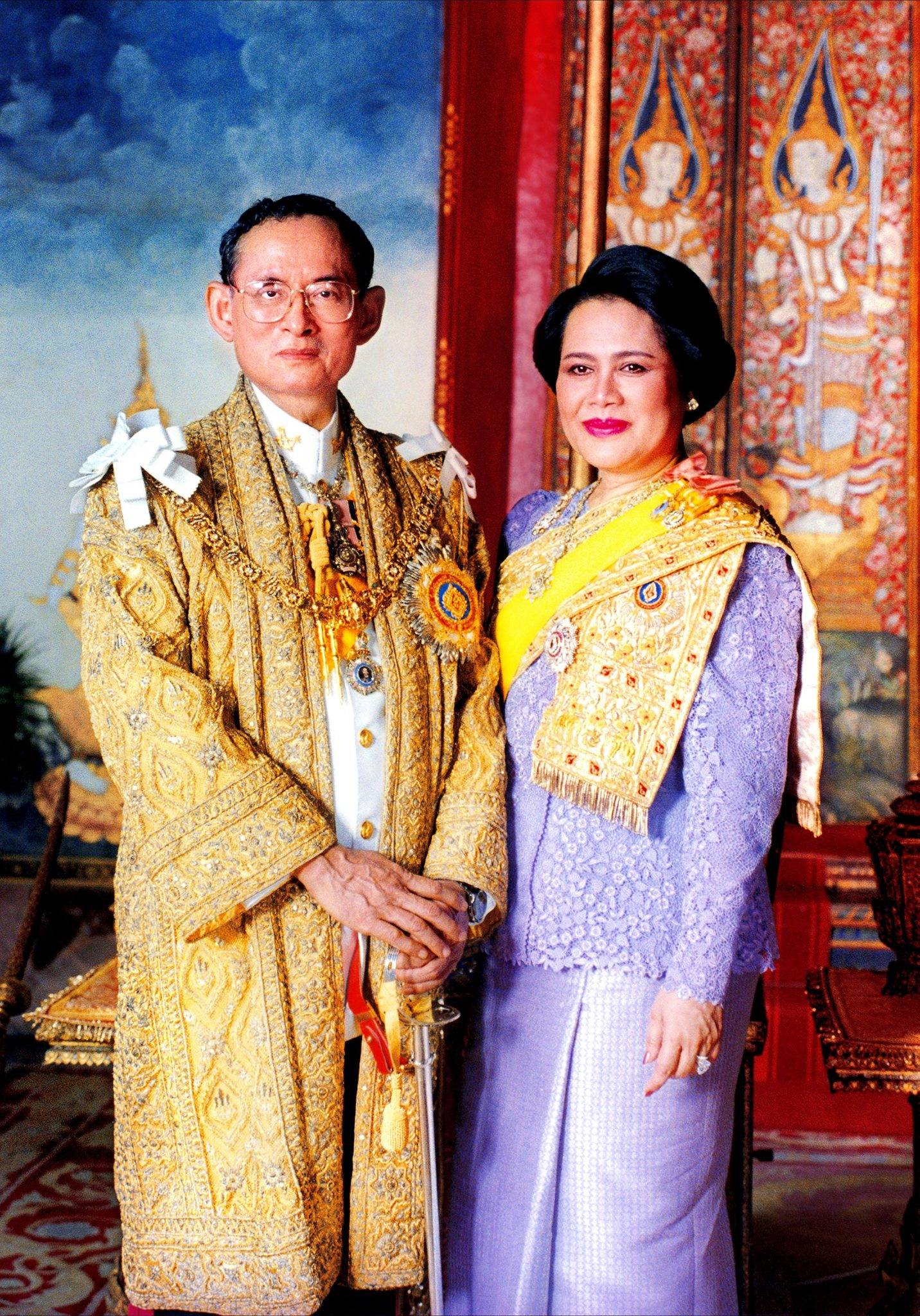
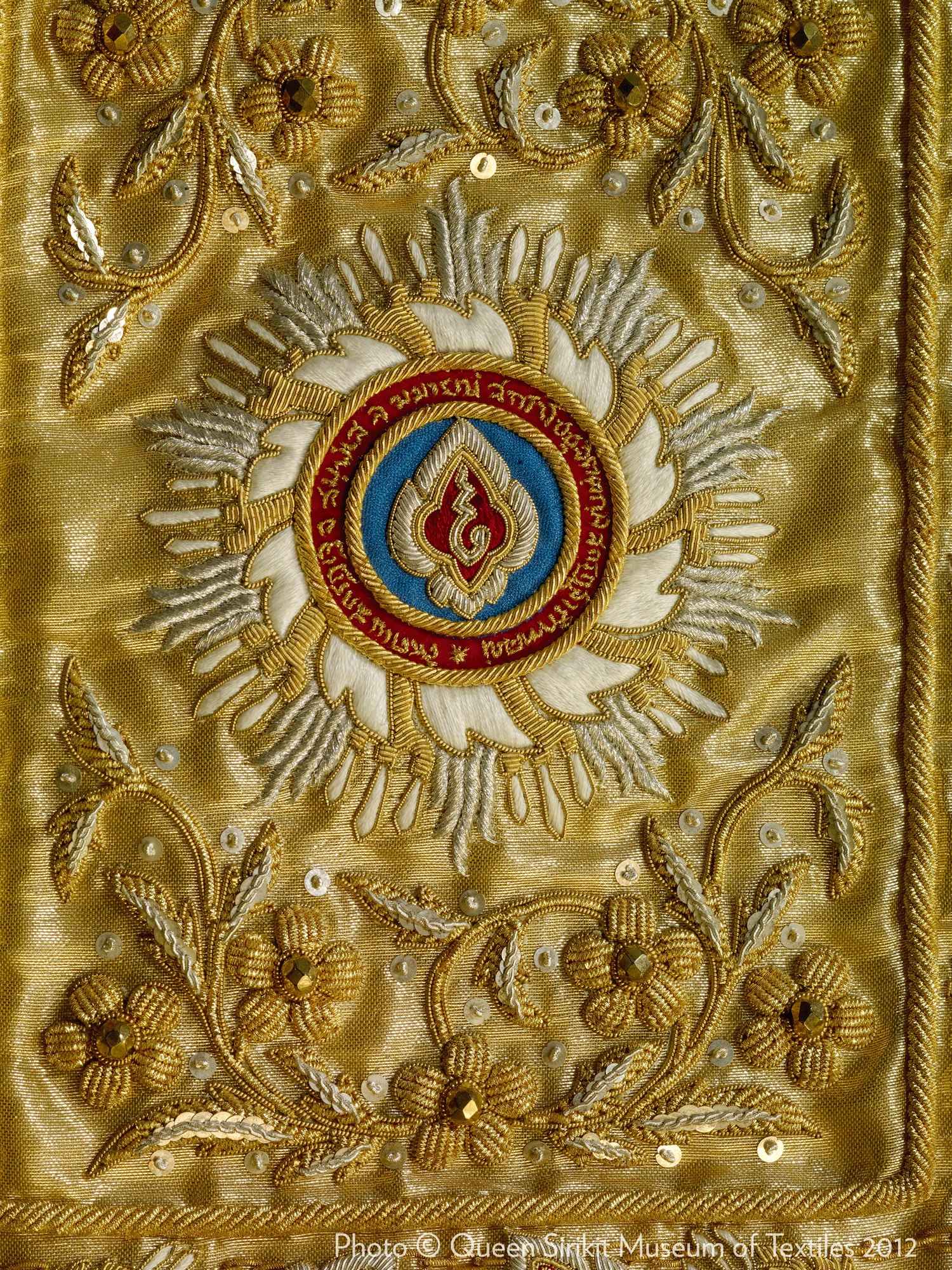 “สะพัก”
 สะท้อนความงดงามของสตรีสยาม
การห่มสะพักเป็น ศิลปะการแต่งกายของสตรีชาววัง
ผ้าจะพาดทับลงบนเสื้อ โดยไม่สัมผัสผิวโดยตรง แสดงความประณีตแบบราชสำนัก
โดยทั่วไป สตรีฝ่ายในจะห่มสะพักเฉพาะในพระราชพิธีที่ต้องแต่งกายเต็มยศเท่านั้น
สตรีชาววังทั่วไปใช้ สะพักตาดทอง
แต่ ราชวงศ์ชั้นสูงจะเรียกว่า
“ผ้าทรงสะพัก”
จึงกล่าวได้ว่า
ผ้าสะพักไม่ใช่แค่ผ้า…แต่คือ “เกียรติยศที่พาดอยู่บนบ่าของสตรีแห่งราชสำนักสยาม”
งดงาม…ประณีต…และทรงคุณค่าทางประวัติศาสตร์อย่างยิ่ง 🇹🇭
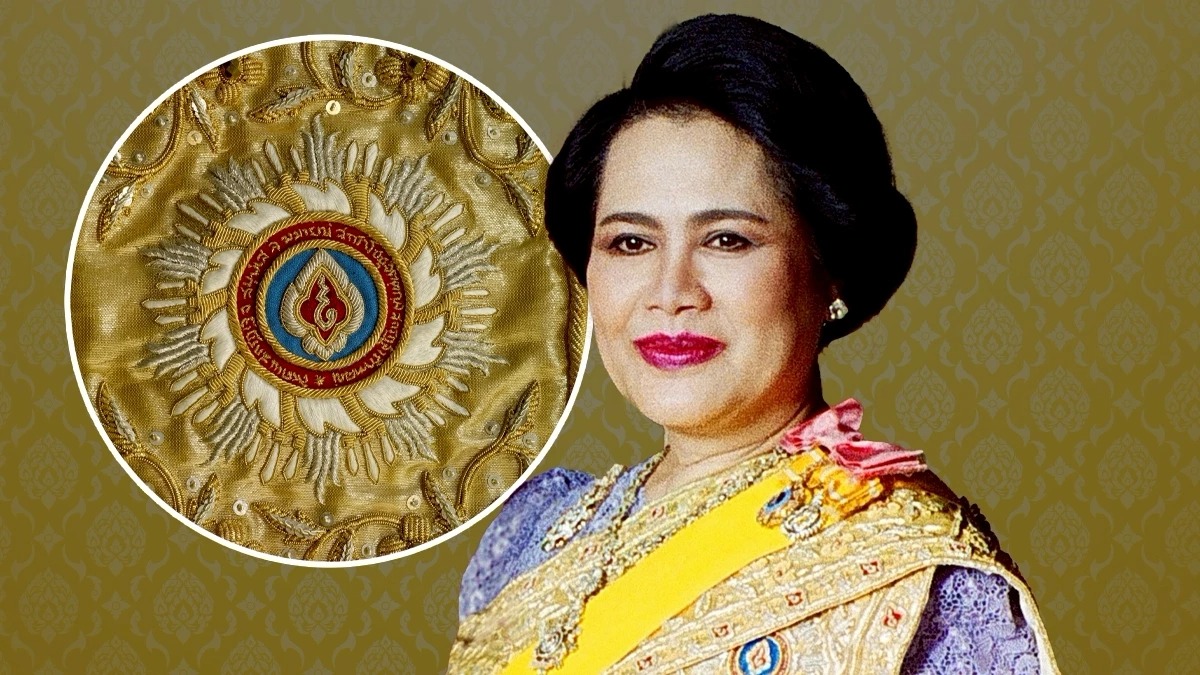
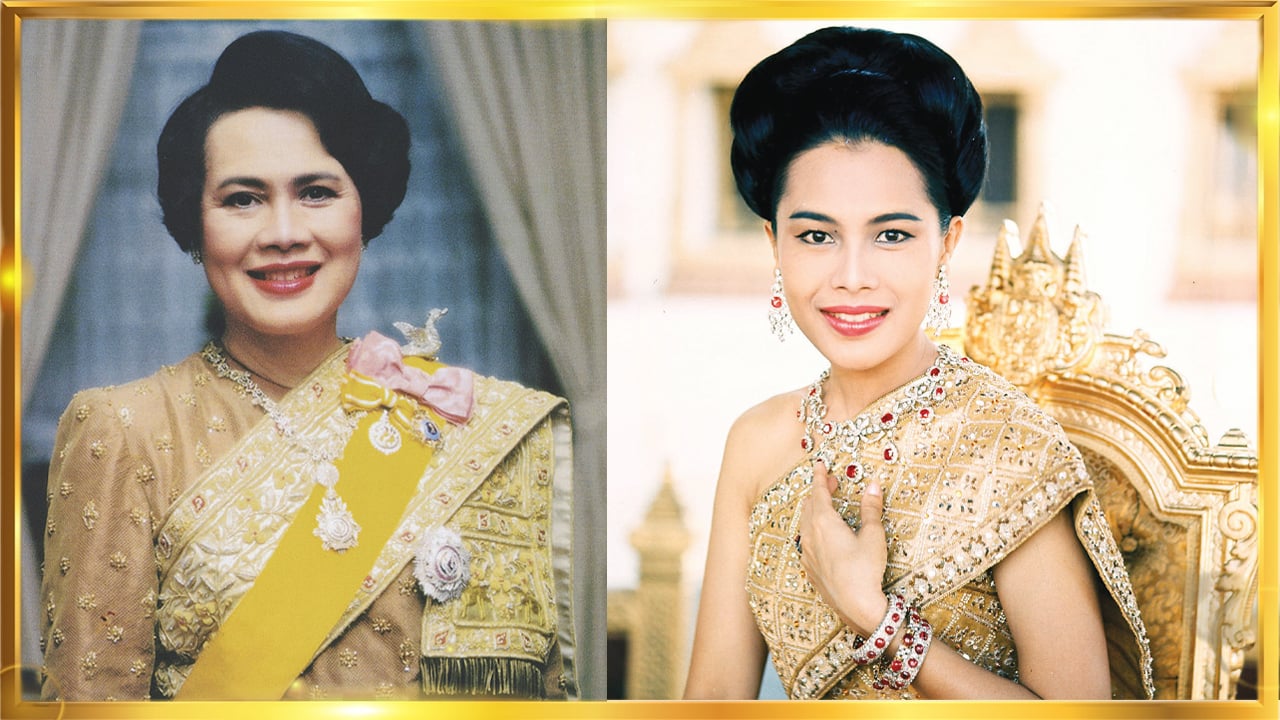
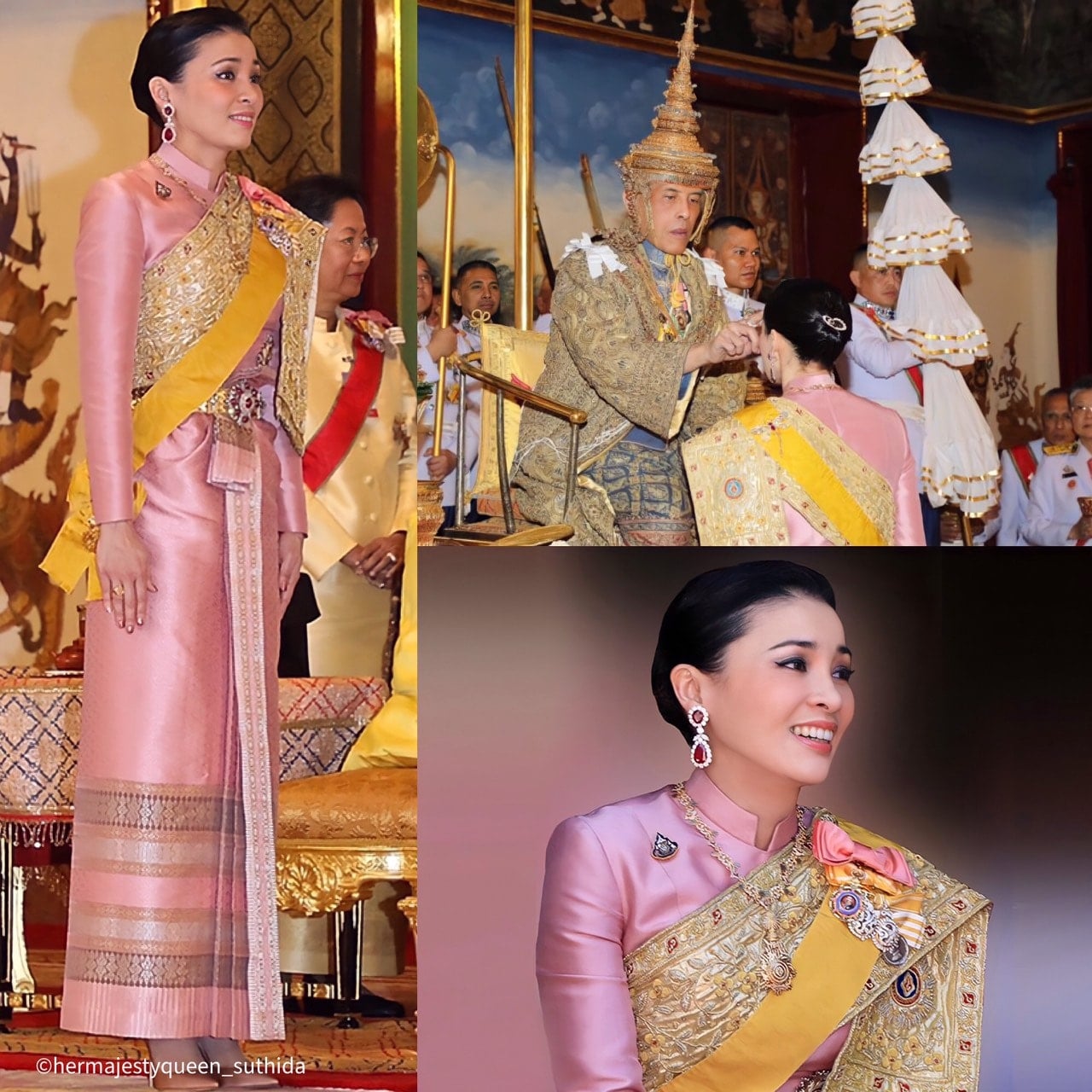
 🔥 Did you know?
The diagonal sash worn by royal ladies of the Siamese court was not an ordinary shawl.
🔥 Did you know?
The diagonal sash worn by royal ladies of the Siamese court was not an ordinary shawl.
It was called the
“Song Sabak” — a ceremonial sash that symbolized royal honor and noble distinction in the Siamese court.
In the past, when high-ranking royal women received royal decorations and orders, they would wear this diagonal ceremonial sash over their court dress during full ceremonial occasions.
The sash served as the base for displaying the star insignia of the royal order.
This cloth was therefore far more than clothing.
It was a symbol of honor, rank, and royal tradition in Siam.
Historically, each royal decoration had its own specific ceremonial sash.
Today, the forms that are still most commonly seen in the royal court are mainly:
✨ Chakri Order ceremonial sash
✨ Nine Gems Order ceremonial sash
The three important types of ceremonial Sabak sashes
🔶 1. Maha Chakri Sabak
An elaborately gold-embroidered sash featuring the Royal Unalome emblem, decorated with the star insignia of the Most Illustrious Order of the Royal House of Chakri.
🔶 2. Noppharat Sabak
A richly embroidered gold sash adorned with the Nine Gems insignia, representing the nine sacred gemstones. The end of the sash traditionally bears the jeweled star of the order.
🔶 3. Chulachomklao Sabak
A sash embroidered with elegant kanok motifs in gold thread, incorporating the star of the Order of Chula Chom Klao within the design.
The elegance of Siamese royal women
The Sabak reflects the refined elegance of Siamese court ladies.
Draping the sash was itself an art of royal court dress.
The cloth was worn over the blouse rather than directly on the skin, reflecting the meticulous etiquette and refinement of palace tradition.
In general, royal women wore the Sabak only during grand royal ceremonies requiring full court attire.
Court ladies of lesser rank typically wore gold-patterned sabak cloth,
while members of the high royal family used what was formally called the
“Song Sabak.”
Which is why it can be said that:
The Sabak is not merely a piece of fabric…
it is “an honor draped upon the shoulders of the women of the Siamese royal court.”
Elegant. Refined. And deeply valuable in history. 🇹🇭
#YindeThailand #ThaiHeritage #Sabai #RoyalTradition
#ยินดีไทยแลนด์ #สไบ #ผ้าทรงสะพัก
 ที่มา facebook: ยินดีไทยแลนด์














💙💜 รู้หรือไม่…สไบที่พาดเฉียงของเจ้านายฝ่ายใน นั่นคือ “ผ้าทรงสะพัก” เครื่องหมายแห่งเกียรติยศของราชสำนักสยาม 🙏✨
📌 รู้หรือไม่…สไบที่พาดเฉียงของเจ้านายฝ่ายใน ไม่ใช่สไบธรรมดา
แต่นั่นคือ “ผ้าทรงสะพัก” เครื่องหมายแห่งเกียรติยศของราชสำนักสยาม
ในสมัยโบราณ เจ้านายฝ่ายในชั้นสูง เมื่อได้รับพระราชทาน เครื่องราชอิสริยาภรณ์ แต่ละตระกูล เวลาทรงเครื่องเต็มยศในพระราชพิธี จะต้อง ทรงผ้าสะพักเฉียงทับฉลองพระองค์ เพื่อประดับดาราเครื่องราชอิสริยาภรณ์
ผ้าผืนนี้จึงไม่ใช่เพียงเครื่องแต่งกาย
แต่คือ สัญลักษณ์แห่งเกียรติยศ ฐานันดร และราชประเพณีของสยาม
ในอดีต แต่ละเครื่องราชอิสริยาภรณ์จะมี “ผ้าทรงสะพัก” ของตระกูลนั้นโดยเฉพาะ
แต่ปัจจุบันรูปแบบที่ยังคงปรากฏให้เห็นในราชสำนัก เหลือใช้อยู่หลัก ๆ เพียง
✨ ทรงสะพักจักรี
✨ ทรงสะพักนพรัตน์
ผ้าทรงสะพักที่สำคัญมี 3 แบบ
🔶 1. ทรงสะพักมหาจักรี
ผ้าปักดิ้นทองทั้งผืน มี ตรามหาอุณาโลม เป็นหย่อม ปักลาย ดาราจักรี สง่างามตามเครื่องราชอิสริยาภรณ์มหาจักรีบรมราชวงศ์
🔶 2. ทรงสะพักนพรัตน์
ผ้าปักดิ้นทองทั้งองค์ ประดับ ดารานพรัตน์ พร้อมอัญมณี ๙ ประการ ชายผ้าห้อยดารานพรัตน์ งดงามยิ่ง
🔶 3. ทรงสะพักจุลจอมเกล้า
ปักดิ้นทองลายกนกทั้งผืน มี ดาราปฐมจุลจอมเกล้า ประดับร่วมอยู่ในผืนผ้า
“สะพัก” สะท้อนความงดงามของสตรีสยาม
การห่มสะพักเป็น ศิลปะการแต่งกายของสตรีชาววัง
ผ้าจะพาดทับลงบนเสื้อ โดยไม่สัมผัสผิวโดยตรง แสดงความประณีตแบบราชสำนัก
โดยทั่วไป สตรีฝ่ายในจะห่มสะพักเฉพาะในพระราชพิธีที่ต้องแต่งกายเต็มยศเท่านั้น
สตรีชาววังทั่วไปใช้ สะพักตาดทอง
แต่ ราชวงศ์ชั้นสูงจะเรียกว่า “ผ้าทรงสะพัก”
จึงกล่าวได้ว่า
ผ้าสะพักไม่ใช่แค่ผ้า…แต่คือ “เกียรติยศที่พาดอยู่บนบ่าของสตรีแห่งราชสำนักสยาม”
งดงาม…ประณีต…และทรงคุณค่าทางประวัติศาสตร์อย่างยิ่ง 🇹🇭
🔥 Did you know?
The diagonal sash worn by royal ladies of the Siamese court was not an ordinary shawl.
It was called the “Song Sabak” — a ceremonial sash that symbolized royal honor and noble distinction in the Siamese court.
In the past, when high-ranking royal women received royal decorations and orders, they would wear this diagonal ceremonial sash over their court dress during full ceremonial occasions.
The sash served as the base for displaying the star insignia of the royal order.
This cloth was therefore far more than clothing.
It was a symbol of honor, rank, and royal tradition in Siam.
Historically, each royal decoration had its own specific ceremonial sash.
Today, the forms that are still most commonly seen in the royal court are mainly:
✨ Chakri Order ceremonial sash
✨ Nine Gems Order ceremonial sash
The three important types of ceremonial Sabak sashes
🔶 1. Maha Chakri Sabak
An elaborately gold-embroidered sash featuring the Royal Unalome emblem, decorated with the star insignia of the Most Illustrious Order of the Royal House of Chakri.
🔶 2. Noppharat Sabak
A richly embroidered gold sash adorned with the Nine Gems insignia, representing the nine sacred gemstones. The end of the sash traditionally bears the jeweled star of the order.
🔶 3. Chulachomklao Sabak
A sash embroidered with elegant kanok motifs in gold thread, incorporating the star of the Order of Chula Chom Klao within the design.
The elegance of Siamese royal women
The Sabak reflects the refined elegance of Siamese court ladies.
Draping the sash was itself an art of royal court dress.
The cloth was worn over the blouse rather than directly on the skin, reflecting the meticulous etiquette and refinement of palace tradition.
In general, royal women wore the Sabak only during grand royal ceremonies requiring full court attire.
Court ladies of lesser rank typically wore gold-patterned sabak cloth,
while members of the high royal family used what was formally called the “Song Sabak.”
Which is why it can be said that:
The Sabak is not merely a piece of fabric…
it is “an honor draped upon the shoulders of the women of the Siamese royal court.”
Elegant. Refined. And deeply valuable in history. 🇹🇭
#YindeThailand #ThaiHeritage #Sabai #RoyalTradition
#ยินดีไทยแลนด์ #สไบ #ผ้าทรงสะพัก
ที่มา facebook: ยินดีไทยแลนด์