Forgotten Koreans Buried in the 'Death Railway'... The Hidden Brutality of Imperial Japanese Forced Mobilization
- 415km 'Thailand-Myanmar Railway' in the Thai jungles: One death for every meter of track
- "Used as expendables without names or military IDs": Korean victims among Asian laborers
- Legal struggles continue in 2026; Japan remains consistent in historical distortion and revisionism
[Gyeongin Global News = Reporter Kim Man-su] Deep in the jungles of Kanchanaburi, located about 72 km west of Bangkok, Thailand, lies a narrow 415 km long railway that winds along mountains and rivers. Its official name is the 'Thailand-Myanmar Railway,' but the world calls this route the 'Death Railway.'
This railway, completed by Japanese imperialism in just 16 months during World War II while trampling on the lives of hundreds of thousands, is not only a history of suffering for Allied prisoners of war but also another clear evidence of the brutal sacrifice of Koreans in the colony.
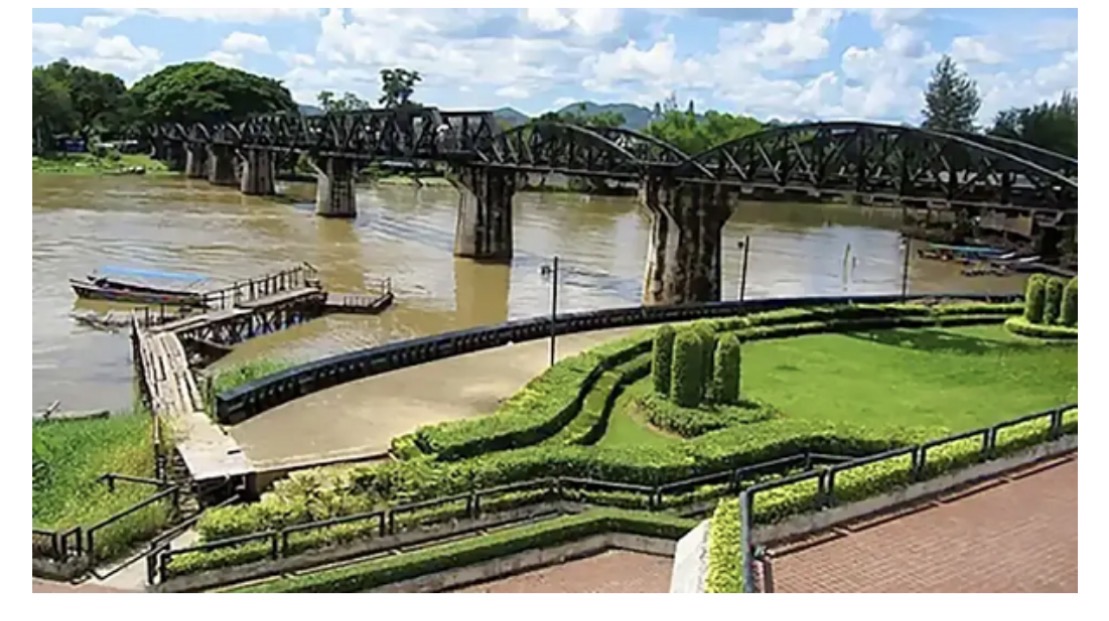
Amidst the immense hellish road known as the 'Death Railroad,' the most symbolic point is the 'Bridge on the River Kwai.' While the film focused on the conflicts and bombing of Allied prisoners, the blood and tears of nameless Korean laborers are clearly embedded in the ground where the bridge's piers were built and the tracks laid.
■ 'One body per meter of track'... The brutal history hidden behind the numbers
In June 1942, as sea supply lines were cut off by the Allied forces, the Japanese Army accelerated the construction of a land route connecting Thailand and Myanmar. Under the blind orders of militarism that “it does not matter how many lives are sacrificed,” approximately 62,000 Allied prisoners of war and 200,000 Asian civilian laborers were driven into the jungle.
The results were horrific. Amidst starvation, malaria, cholera, and extreme violence by the Japanese military, over 12,000 Allied prisoners of war and 80,000 to 100,000 Asian civilians lost their lives. On the 415 km of railway tracks, this amounts to one death every meter.
Heitaro Kimura, the commander of the Burma front who condoned international laws regarding prisoners of war at the time despite being aware of them, was sentenced to death by hanging at the post-war Tokyo Trials, with the verdict that he "did not take action despite knowing about large-scale atrocities."
■ Koreans, the 'silent victims' with no names or military numbers
Then, where were the Koreans at the scene of this great Asian catastrophe? According to historians, hundreds of thousands of Joseon people at the time were forcibly conscripted under the names of 'military personnel' or 'laborers' and dragged to the Southeast Asian front.
The construction site of the 'Death Railway' was no exception. Korean laborers, alongside Malays and Burmese workers, were forced under the whip of the Japanese military to perform the most dangerous tasks, such as rock blasting, bridge construction, and jungle clearing. However, they were not given even the minimum food quotas, military identification numbers, or names that were provided to Allied prisoners of war.
The consequences of this 'institutional annihilation' continue to this day. Among the three large cemeteries along the Thailand-Myanmar railway currently managed by the Commonwealth War Graves Commission (CWGC), it is difficult to find any markers honoring Korean victims. This is because they were treated as thoroughly expendable and, after death, vanished into the wind without a single mortuary grave.
■ The Unfinished Legal Struggle, and Japan's 'Erasing History'
Although perpetrators were punished at post-war international military tribunals such as the Far East Tribunal, this focused primarily on the abuse of Allied prisoners of war. The sacrifices of Asian laborers, including Koreans, were thoroughly excluded from international attention and legal reparations.
This unjust history is being revived in Korean society today as a stern legal demand. In December 2025, the Supreme Court of Korea finalized a ruling ordering Nippon Steel and Nishimatsu Construction to pay 100 million won and 73 million won, respectively, in compensation to the bereaved families of victims of forced labor. Currently, approximately 50 similar lawsuits are still being heard in Korean courts.
However, the Japanese government's attitude is moving in the opposite direction. In Japanese high school textbooks that passed the review process this March 2026, historical facts such as "forced labor" and "comfort women" were once again downplayed and deleted. In response, the South Korean Ministry of Foreign Affairs issued a strong protest statement, saying, "Establishing a correct historical perspective is the foundation of future-oriented Korea-Japan relations."
What further enrages the bereaved families is the issue of the Yasukuni Shrine. Japan has arbitrarily enshrined approximately 20,000 Korean victims of forced mobilization at the Yasukuni Shrine without the consent of their families, using it as a framework to glorify its war of aggression. In response, the bereaved families filed a lawsuit in a domestic court for the first time last December, demanding the removal of the memorial tablets and compensation, and are continuing their struggle.
■ "History Cannot Be Glorified"… Korea's Mission to Break the Silence
Although the 'Death Railway' is thousands of kilometers away from the Korean Peninsula, it is directly connected to the immense sorrow of forced mobilization by the Japanese Empire that stretches from the jungles of the South Seas to the coal mines of Hokkaido.
As testified by the 'Hellfire Pass Memorial,' which symbolizes the brutality of the railway construction site, those buried there are victims of human cruelty and militaristic greed, regardless of nationality.
Whenever the Japanese government attempts to dilute its crimes through historical revisionism, we must constantly ask the question: "When will our ancestors who vanished in the jungle receive an official apology and genuine reparations?"
Bringing out the voices of those buried in silence and thoroughly settling the crimes of Japanese imperialism throughout Asia is still an ongoing task.
출처 : 경인글로벌뉴스(
https://www.kglobalnews.com)














Thai - myanmar
Forgotten Koreans Buried in the 'Death Railway'... The Hidden Brutality of Imperial Japanese Forced Mobilization
- 415km 'Thailand-Myanmar Railway' in the Thai jungles: One death for every meter of track
- "Used as expendables without names or military IDs": Korean victims among Asian laborers
- Legal struggles continue in 2026; Japan remains consistent in historical distortion and revisionism
[Gyeongin Global News = Reporter Kim Man-su] Deep in the jungles of Kanchanaburi, located about 72 km west of Bangkok, Thailand, lies a narrow 415 km long railway that winds along mountains and rivers. Its official name is the 'Thailand-Myanmar Railway,' but the world calls this route the 'Death Railway.'
This railway, completed by Japanese imperialism in just 16 months during World War II while trampling on the lives of hundreds of thousands, is not only a history of suffering for Allied prisoners of war but also another clear evidence of the brutal sacrifice of Koreans in the colony.
Amidst the immense hellish road known as the 'Death Railroad,' the most symbolic point is the 'Bridge on the River Kwai.' While the film focused on the conflicts and bombing of Allied prisoners, the blood and tears of nameless Korean laborers are clearly embedded in the ground where the bridge's piers were built and the tracks laid.
■ 'One body per meter of track'... The brutal history hidden behind the numbers
In June 1942, as sea supply lines were cut off by the Allied forces, the Japanese Army accelerated the construction of a land route connecting Thailand and Myanmar. Under the blind orders of militarism that “it does not matter how many lives are sacrificed,” approximately 62,000 Allied prisoners of war and 200,000 Asian civilian laborers were driven into the jungle.
The results were horrific. Amidst starvation, malaria, cholera, and extreme violence by the Japanese military, over 12,000 Allied prisoners of war and 80,000 to 100,000 Asian civilians lost their lives. On the 415 km of railway tracks, this amounts to one death every meter.
Heitaro Kimura, the commander of the Burma front who condoned international laws regarding prisoners of war at the time despite being aware of them, was sentenced to death by hanging at the post-war Tokyo Trials, with the verdict that he "did not take action despite knowing about large-scale atrocities."
■ Koreans, the 'silent victims' with no names or military numbers
Then, where were the Koreans at the scene of this great Asian catastrophe? According to historians, hundreds of thousands of Joseon people at the time were forcibly conscripted under the names of 'military personnel' or 'laborers' and dragged to the Southeast Asian front.
The construction site of the 'Death Railway' was no exception. Korean laborers, alongside Malays and Burmese workers, were forced under the whip of the Japanese military to perform the most dangerous tasks, such as rock blasting, bridge construction, and jungle clearing. However, they were not given even the minimum food quotas, military identification numbers, or names that were provided to Allied prisoners of war.
The consequences of this 'institutional annihilation' continue to this day. Among the three large cemeteries along the Thailand-Myanmar railway currently managed by the Commonwealth War Graves Commission (CWGC), it is difficult to find any markers honoring Korean victims. This is because they were treated as thoroughly expendable and, after death, vanished into the wind without a single mortuary grave.
■ The Unfinished Legal Struggle, and Japan's 'Erasing History'
Although perpetrators were punished at post-war international military tribunals such as the Far East Tribunal, this focused primarily on the abuse of Allied prisoners of war. The sacrifices of Asian laborers, including Koreans, were thoroughly excluded from international attention and legal reparations.
This unjust history is being revived in Korean society today as a stern legal demand. In December 2025, the Supreme Court of Korea finalized a ruling ordering Nippon Steel and Nishimatsu Construction to pay 100 million won and 73 million won, respectively, in compensation to the bereaved families of victims of forced labor. Currently, approximately 50 similar lawsuits are still being heard in Korean courts.
However, the Japanese government's attitude is moving in the opposite direction. In Japanese high school textbooks that passed the review process this March 2026, historical facts such as "forced labor" and "comfort women" were once again downplayed and deleted. In response, the South Korean Ministry of Foreign Affairs issued a strong protest statement, saying, "Establishing a correct historical perspective is the foundation of future-oriented Korea-Japan relations."
What further enrages the bereaved families is the issue of the Yasukuni Shrine. Japan has arbitrarily enshrined approximately 20,000 Korean victims of forced mobilization at the Yasukuni Shrine without the consent of their families, using it as a framework to glorify its war of aggression. In response, the bereaved families filed a lawsuit in a domestic court for the first time last December, demanding the removal of the memorial tablets and compensation, and are continuing their struggle.
■ "History Cannot Be Glorified"… Korea's Mission to Break the Silence
Although the 'Death Railway' is thousands of kilometers away from the Korean Peninsula, it is directly connected to the immense sorrow of forced mobilization by the Japanese Empire that stretches from the jungles of the South Seas to the coal mines of Hokkaido.
As testified by the 'Hellfire Pass Memorial,' which symbolizes the brutality of the railway construction site, those buried there are victims of human cruelty and militaristic greed, regardless of nationality.
Whenever the Japanese government attempts to dilute its crimes through historical revisionism, we must constantly ask the question: "When will our ancestors who vanished in the jungle receive an official apology and genuine reparations?"
Bringing out the voices of those buried in silence and thoroughly settling the crimes of Japanese imperialism throughout Asia is still an ongoing task.
출처 : 경인글로벌뉴스(https://www.kglobalnews.com)