Iran's IRGC has issued a stark ultimatum: Arab and European nations that expel the ambassadors of the United States and Israel will gain unrestricted passage through the Strait of Hormuz, effective tomorrow.
This move comes amid the ongoing U.S.-Israel conflict with Iran, where the narrow waterway—carrying roughly one-fifth of the world's oil—remains largely shut, driving energy markets into turmoil and forcing tankers to idle.
The Revolutionary Guard's conditional offer, reported through state media like ISNA, appears designed to peel away Washington's allies by dangling relief from the energy crisis in exchange for severing diplomatic ties with both the U.S. and Israel.
No government has yet accepted the proposal, which critics view as blatant coercion and a transparent attempt to fracture the international coalition supporting Israel and countering Tehran's aggression.
The Strait remains a flashpoint. With commercial transits severely curtailed and insurance coverage withdrawn, global oil prices have swung wildly—crashing on the headline alone despite no actual reopening or resumed flows.
This is classic Iranian leverage: weaponizing a global chokepoint to extract political concessions rather than military victory. It echoes past threats but escalates them into open diplomatic blackmail during active hostilities.
The U.S. has signaled readiness to secure the passage by force if needed, but the IRGC's gambit shifts the pressure onto allied capitals in Europe and the Gulf, forcing them to choose between energy security and standing firm against Tehran's demands.
For now, the strait stays closed to most traffic. The offer changes nothing on the water—only the politics.
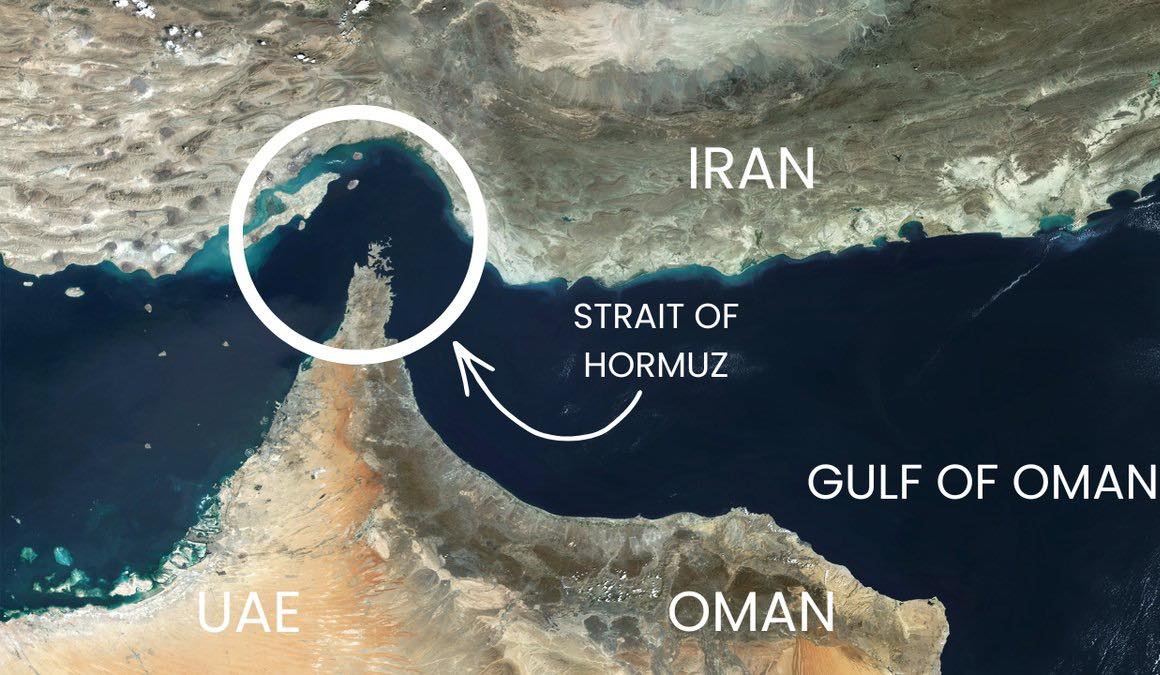
กองกำลังพิทักษ์ปฏิวัติอิหร่าน (IRGC) ได้ออกคำขาดอย่างเด็ดขาดว่า ประเทศอาหรับและยุโรปใดที่ขับไล่เอกอัครราชทูตของสหรัฐอเมริกาและอิสราเอล จะได้รับสิทธิ์ในการผ่านช่องแคบฮอร์มุซได้อย่างไม่จำกัด โดยมีผลบังคับใช้ตั้งแต่วันพรุ่งนี้เป็นต้นไป
การเคลื่อนไหวครั้งนี้เกิดขึ้นท่ามกลางความขัดแย้งระหว่างสหรัฐฯ อิสราเอล และอิหร่านที่ยังคงดำเนินอยู่ โดยเส้นทางเดินเรือแคบๆ ที่ขนส่งน้ำมันประมาณหนึ่งในห้าของโลกยังคงปิดอยู่เป็นส่วนใหญ่ ส่งผลให้ตลาดพลังงานปั่นป่วนและบังคับให้เรือบรรทุกน้ำมันต้องจอดนิ่ง
ข้อเสนอแบบมีเงื่อนไขของกองกำลังพิทักษ์ปฏิวัติ ซึ่งรายงานผ่านสื่อของรัฐ เช่น ISNA ดูเหมือนจะถูกออกแบบมาเพื่อดึงพันธมิตรของวอชิงตันออกไป โดยเสนอทางออกในการแก้ไขวิกฤตพลังงานเพื่อแลกกับการตัดความสัมพันธ์ทางการทูตกับทั้งสหรัฐฯ และอิสราเอล
ยังไม่มีรัฐบาลใดตอบรับข้อเสนอดังกล่าว ซึ่งนักวิจารณ์มองว่าเป็นการบีบบังคับอย่างโจ่งแจ้งและเป็นการพยายามทำลายพันธมิตรระหว่างประเทศที่สนับสนุนอิสราเอลและต่อต้านการรุกรานของเตหะรานอย่างชัดเจน
ช่องแคบยังคงเป็นจุดเสี่ยงสำคัญ การขนส่งสินค้าทางทะเลถูกจำกัดอย่างมาก และความคุ้มครองจากประกันภัยถูกยกเลิก ส่งผลให้ราคาน้ำมันโลกผันผวนอย่างรุนแรง โดยราคาน้ำมันร่วงลงอย่างหนักเพียงแค่มีข่าวออกมา แม้ว่าจะยังไม่มีการเปิดเส้นทางการขนส่งหรือการกลับมาดำเนินการตามปกติก็ตาม
นี่คือกลยุทธ์การต่อรองแบบคลาสสิกของอิหร่าน: การใช้จุดยุทธศาสตร์สำคัญระดับโลกเป็นอาวุธเพื่อบีบให้ฝ่ายอิหร่านยอมอ่อนข้อทางการเมือง แทนที่จะใช้ชัยชนะทางทหาร มันสะท้อนถึงภัยคุกคามในอดีต แต่ยกระดับขึ้นไปเป็นการข่มขู่ทางการทูตอย่างเปิดเผยในระหว่างการสู้รบ
สหรัฐฯ ส่งสัญญาณว่าพร้อมที่จะใช้กำลังเข้ายึดครองเส้นทางหากจำเป็น แต่การกระทำของกองกำลังพิทักษ์ปฏิวัติอิสลาม (IRGC) กลับเป็นการผลักภาระความกดดันไปยังเมืองหลวงของประเทศพันธมิตรในยุโรปและอ่าวเปอร์เซีย บังคับให้ประเทศเหล่านั้นต้องเลือกระหว่างความมั่นคงด้านพลังงานกับการยืนหยัดต่อต้านข้อเรียกร้องของเตหะราน
ในตอนนี้ ช่องแคบยังคงปิดให้บริการสำหรับเรือส่วนใหญ่ ข้อเสนอดังกล่าวไม่ได้เปลี่ยนแปลงอะไรบนผืนน้ำ มีเพียงการเปลี่ยนแปลงทางการเมืองเท่านั้น
HT CURRENT REPORT














The U.S. has signaled readiness to secure the passage by force if needed
กองกำลังพิทักษ์ปฏิวัติอิหร่าน (IRGC) ได้ออกคำขาดอย่างเด็ดขาดว่า ประเทศอาหรับและยุโรปใดที่ขับไล่เอกอัครราชทูตของสหรัฐอเมริกาและอิสราเอล จะได้รับสิทธิ์ในการผ่านช่องแคบฮอร์มุซได้อย่างไม่จำกัด โดยมีผลบังคับใช้ตั้งแต่วันพรุ่งนี้เป็นต้นไป